
In 2019, the VITAL trial gave more than 25,000 people a gram of fish oil a day. Their cancer risk did not move.
Fish oil does not prevent cancer. For most doctors, that settled it.
On October 25, 2026, at the ESMO Congress in Madrid, a prescription fish oil lifted five-year survival in colorectal cancer patients with liver metastases from 45.1% to 62.0%.
The drug is Amarin's Vascepa (icosapent ethyl, a highly purified form of the omega-3 fatty acid EPA).
It is the best news Amarin has had in years. It will not buy a new label.
Amarin will not file a colorectal cancer application with the FDA or the EMA before the end of 2027.
The reason sits inside the same dataset.
01|Seventeen more points of survival, and the cancer came back just as fast
The trial is called EMT2. The University of Leeds ran it.
Yorkshire Cancer Research paid for it. Amarin's role was limited to supplying the capsules free of charge.
Between 2018 and 2023, 13 liver surgery centres in England and Wales enrolled 418 patients.
Every one of them was about to have colorectal cancer metastases cut out of the liver. That operation is the best chance these patients have, and recurrence afterwards is common.
Half took 4 grams of Vascepa a day. Half took identical capsules filled with mineral oil.
Treatment started at least one day before surgery. It could run for up to four years, even after the cancer returned.
The primary endpoint was progression-free survival: how long until the cancer grows back.
That endpoint failed.
Median progression-free survival was 13.5 months on Vascepa and 12.9 months on placebo.
The hazard ratio was 0.89, with a p-value of 0.33. Statistically, the cancer came back at the same speed in both groups.
What made the room sit up was the key secondary endpoint, overall survival.
Estimated five-year survival was 62.0% versus 45.1%.
The hazard ratio for death was 0.68, p=0.030. That is roughly a 32% lower risk of dying.
The safety profile was clean. There was no excess of bleeding, atrial fibrillation or overall adverse events.
Serious bleeding that needed a transfusion or a second operation was, if anything, lower on Vascepa.
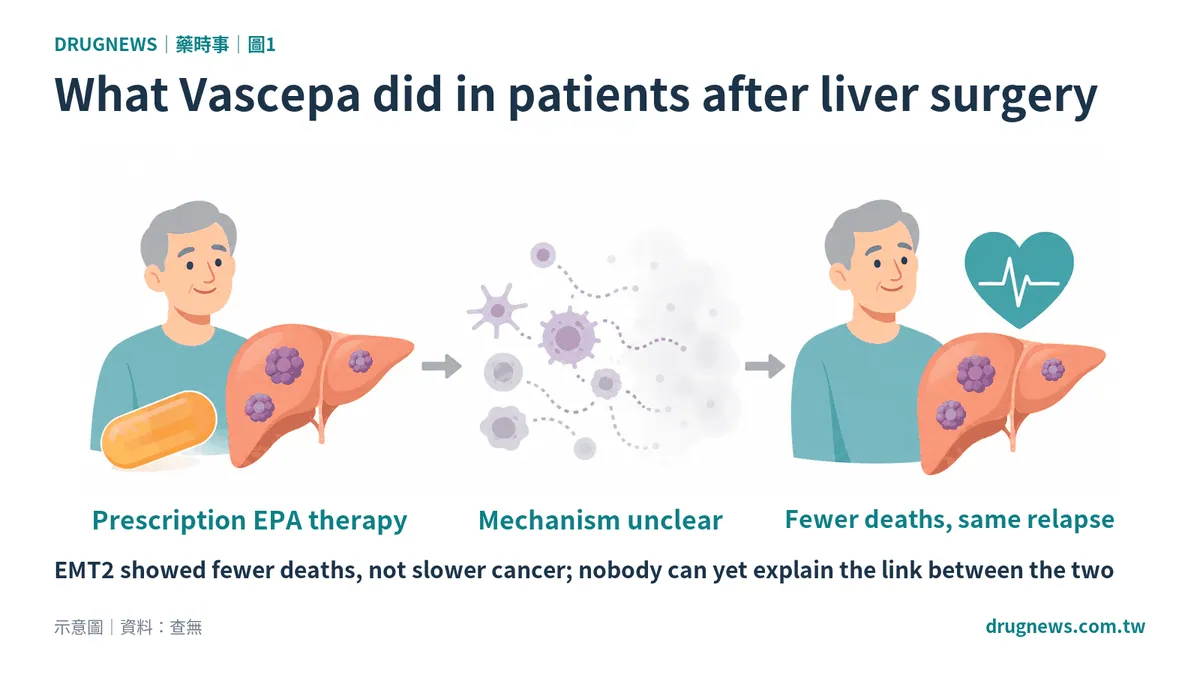
Fig. 1|EMT2 showed fewer deaths, not slower cancer; nobody can yet explain the link between the two
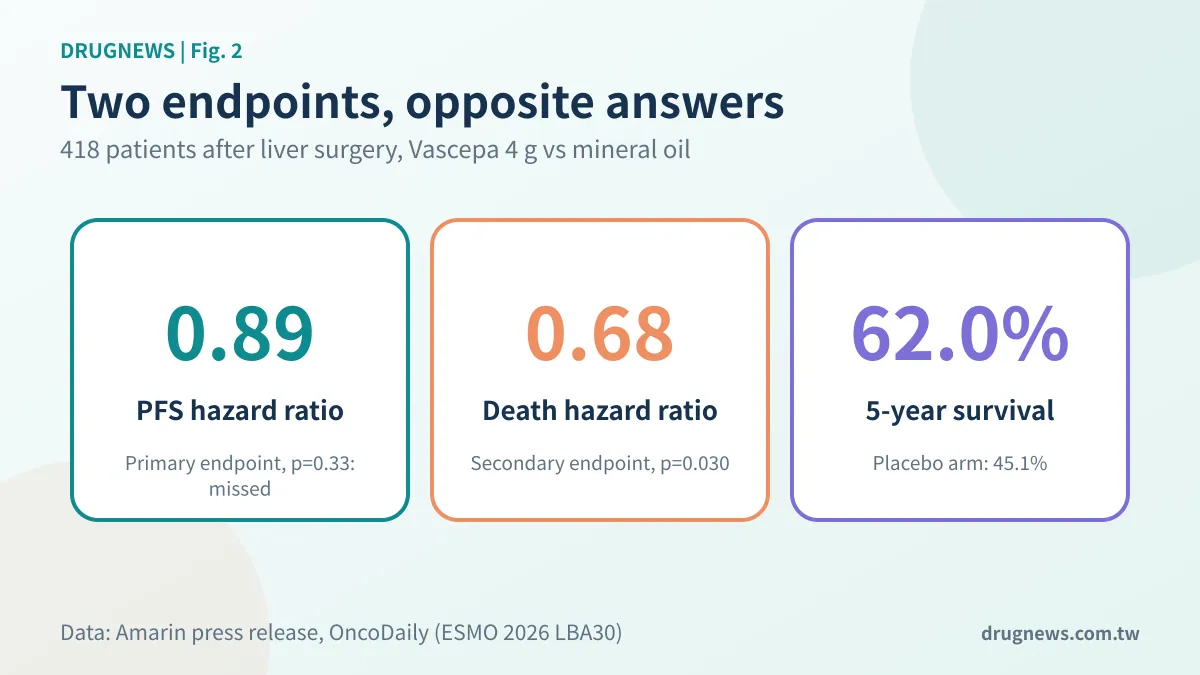
Fig. 2|The primary endpoint was flat and the secondary endpoint won: the combination regulators find hardest to act on
The cancer did not slow down. The patients lived longer anyway, and that mismatch is the whole story.
In oncology, overall survival is the endpoint that matters most to patients and payers. It is also the hardest to fake: a death is a death.
That is why the result cannot be waved away. Neither can the failed primary endpoint.
Chief investigator Mark Hull of Leeds presented the data as a late-breaking abstract.
He said a survival benefit without a progression-free benefit is "not an unprecedented finding in oncology."
He listed possible explanations: anti-inflammatory effects, direct anti-tumour activity, changes to the gut microbiome.
Then he added that all of them "remain investigational."
02|The same mineral oil was on trial seven years ago
Any cardiologist reading "Vascepa versus mineral oil" gets a sense of déjà vu.
In 2018, REDUCE-IT turned Amarin's fortunes around.
More than 8,000 high-risk patients already on statins took 4 grams of Vascepa a day. Major cardiovascular events fell by 25% over a median of 4.9 years.
The placebo in that trial was mineral oil too.
Cardiologist Steven Nissen spent years attacking the result.
In the REDUCE-IT placebo arm, he pointed out, LDL cholesterol rose 10.2%. Apolipoprotein B rose 7.8%. The inflammation marker hsCRP rose 32%.
His argument was simple. The mineral oil made the control group worse, and that made Vascepa look better.
Two years later, AstraZeneca handed him his best evidence.
AstraZeneca's own prescription omega-3, Epanova, went through the STRENGTH trial: 13,078 patients, also 4 grams a day.
The difference was the placebo. STRENGTH used corn oil.
Cardiovascular events were 12.0% versus 12.2%, a hazard ratio of 0.99. It was a dead heat, with more new-onset atrial fibrillation in the fish oil arm.
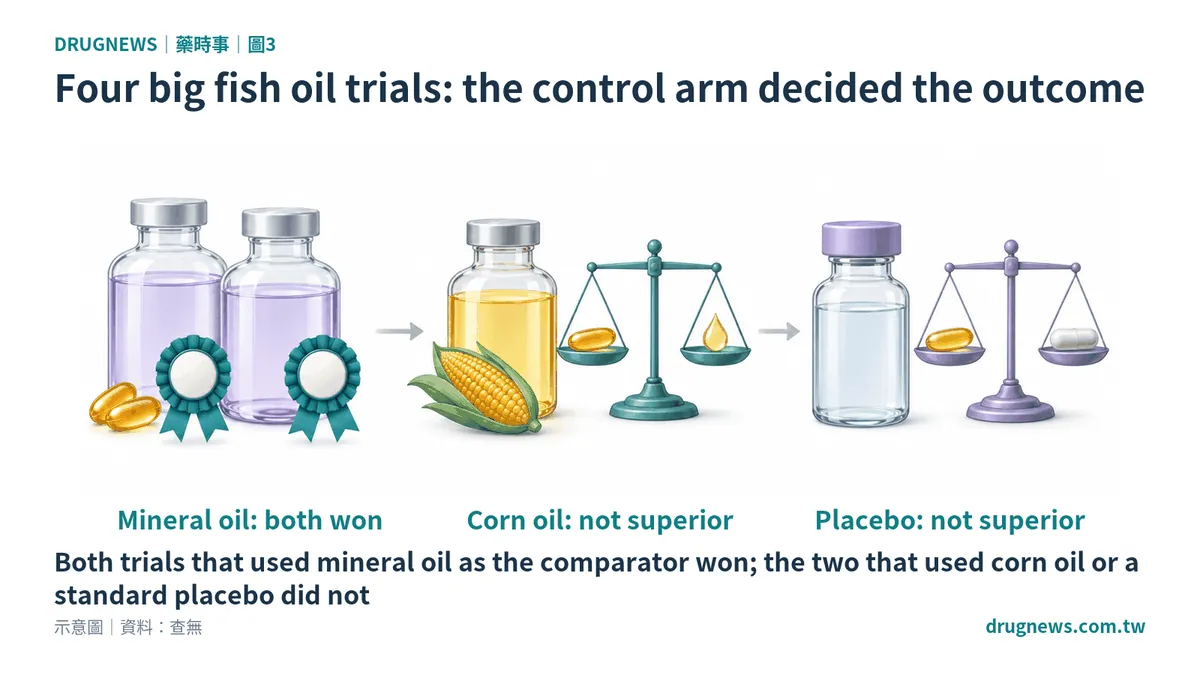
Fig. 3|Both trials that used mineral oil as the comparator won; the two that used corn oil or a standard placebo did not
EMT2 carries that old argument straight into oncology.
Recurrence was identical, yet deaths differed by about a third. There are two ways to read that.
Either EPA protected patients somewhere outside the tumour. Or four years of mineral oil added some non-cancer deaths to the control arm.
The ESMO presentation did not break down causes of death. Right now, that question has no answer.
Because it has no answer, the FDA will not approve a new indication on this dataset.
A failed primary endpoint. A win on a secondary endpoint. A placebo with a contested history.
Any one of those is enough for a reviewer to ask for another trial. EMT2 has all three.
There is also a simpler problem: size.
EMT2 enrolled 418 people. A survival p-value of 0.030 in a trial that size can move a long way once more patients are added.
Regulators have seen secondary endpoints shrink in confirmatory trials before. That is why they ask for them.
A confirmatory trial would also have to answer the placebo question directly.
The cleanest design would compare Vascepa against an inert capsule that does not touch cholesterol or inflammation, and report causes of death in full.
The other side has a real argument, and it deserves a hearing.
Hull's group saw a similar signal in its earlier EMT trial. Patients with higher red-blood-cell EPA levels had a survival hazard ratio of 0.42.
Two independent studies pointing the same way are hard to explain with mineral oil alone.
Both sides have a point, and they lead to the same place.
The survival signal deserves a new phase 3 trial with overall survival as the primary endpoint. That is all it is worth today.
03|Amarin needs this story more than patients do
Amarin's books explain why its press release talks about "novel therapeutic pathways."
In the second quarter of 2026, Amarin's total revenue was $42.2 million, down 42% from a year earlier.
U.S. product revenue was $32.2 million, down 12%. The company was blunt about why: generic competition kept pushing net prices down.
The year-earlier quarter also included a $25 million upfront payment from Italy's Recordati.
In June 2025, Amarin licensed 59 countries, centred on Europe, to Recordati.
That deal shrank Amarin into a company that lives on royalties, supply income and one branded U.S. product.
It holds $314.6 million in cash and no debt. That buys time.
What it lacks is a growth story.
The triglyceride and heart-protection story has been eaten into by generics. EMT2 is the only new card in the hand.
So CEO Aaron Berg said the company wants to explore whether Vascepa could help surgery-eligible patients with liver metastases.
Chief scientific officer Steve Ketchum said the results warrant "further scientific evaluation."
Neither mentioned a filing, a new trial or a timeline.
The most concrete line in the release was about patents. European protection runs to 2039, which Amarin calls a "substantial runway" to evaluate the opportunity.
That is an admission that the clock will run long.
It also tells you who would pay for the next step.
Amarin no longer sells the drug itself in Europe; Recordati does. In Asia, Eddingpharm holds the rights. In the U.S., Amarin held 48% of the icosapent ethyl market in the second quarter; generics hold the rest.
Every party that would profit from an oncology label owns only a slice of the upside. Nobody owns enough to want to fund a long survival trial alone.
That is the commercial reason the timeline will slip, on top of the scientific one.
A new overall-survival phase 3 needs design, enrolment and roughly five years of follow-up. That is five or six years, at minimum.
The most anyone should expect by the end of 2027 is a trial registration. Not a marketing application.
The first place to look is Amarin's next quarterly report. If it lists an oncology filing, this call is wrong.
04|The fish oil on the pharmacy shelf is not this drug
Colorectal cancer is not a niche disease.
In Taiwan's latest registry, for 2023, more than 138,000 people were newly diagnosed with cancer. Colorectal cancer ranked second, behind lung cancer.
The obvious reaction to "fish oil helps colorectal cancer patients live longer" is to buy a bottle.
The two are far apart.
EMT2 used 4 grams a day of almost pure EPA ethyl ester.
A typical 1,000 mg fish oil softgel contains about 180 mg of EPA, plus DHA and other fats. On EPA alone, that is a 22-fold gap.
VITAL used 460 mg of EPA and 380 mg of DHA a day. Its answer is the one at the top of this article: no reduction in cancer.
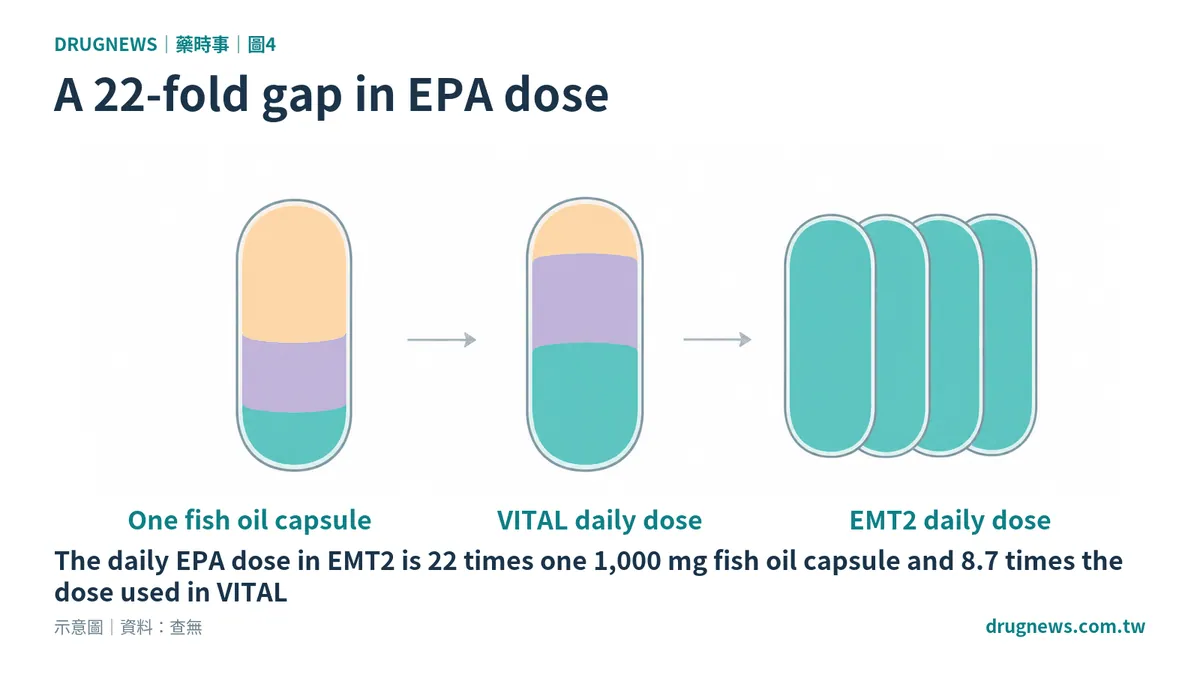
Fig. 4|The daily EPA dose in EMT2 is 22 times one 1,000 mg fish oil capsule and 8.7 times the dose used in VITAL
The capsules are also not interchangeable in content. Supplements mix EPA with DHA, and STRENGTH showed that an EPA-plus-DHA product at 4 grams did nothing for the heart.
The EMT2 patients were not ordinary consumers either.
They were colorectal cancer patients heading into liver surgery. They started the drug before the operation, under a surgical team, on a dose and schedule set by the protocol.
The Asian rights to the drug were settled long ago.
In 2015, Amarin licensed mainland China, Hong Kong, Macau and Taiwan to Eddingpharm. The price was $15 million upfront and up to $169 million in total.
Eddingpharm bought a cardiovascular drug.
EMT2 has handed it an oncology question mark. Whether anyone runs a trial in Asia depends on what Amarin does first.
05|62% versus 45% is an invitation
Go back to the two numbers.
Seventeen percentage points of five-year survival is a large gap. In a trial of 418 people, it is also a fragile one.
On any new cancer drug, 62.0% versus 45.1% would be a headline.
On a cheap, safe fish oil drug that has been on the market for more than a decade, it reads more like an invitation.
The invitation is for someone to run the trial again. Use a placebo nobody can argue about. Put overall survival first.
Until then, it is a signal. It is not yet a treatment effect.
This article is industry and company analysis, not investment or medical advice.
References
- Amarin Provides Update on University of Leeds Sponsored Phase 3 EPA for Metastasis Trial 2 (EMT2)|Amarin (GlobeNewswire)|2026-10-25|https://www.globenewswire.com/news-release/2026/10/25/3387729/18362/en/amarin-provides-update-on-university-of-leeds-sponsored-phase-3-epa-for-metastasis-trial-2-emt2-evaluating-vazkepa-vascepa-icosapent-ethyl-capsules-on-top-of-standard-of-care-treat.html
- Amarin Provides Update on EMT2: A colorectal cancer trial missed its goal, but estimated 5-year survival was 62%|StockTitan|2026-10-25|https://www.stocktitan.net/news/AMRN/amarin-provides-update-on-university-of-leeds-sponsored-phase-3-epa-dls9jlkhdt8y.html
- EMT2 at ESMO 2026: Eicosapentaenoic Acid After Colorectal Cancer Liver Metastasis Resection|OncoDaily|2026-10-25|https://oncodaily.com/gastrointestinal-oncology/emt2-esmo-2026
- EPA for Metastasis Trial 2 (NCT03428477)|ClinicalTrials.gov|2026-10-26|https://clinicaltrials.gov/study/NCT03428477
- Amarin Reports Second Quarter 2026 Financial Results (Exhibit 99.1, Form 8-K)|SEC EDGAR|2026-07-29|https://www.sec.gov/Archives/edgar/data/0000897448/000119312526323841/amrn-ex99_1.htm
- Fish Oil Tanks in STRENGTH, Making Waves for REDUCE-IT|TCTMD|2020-11-15|https://www.tctmd.com/news/fish-oil-tanks-strength-making-waves-reduce-it
- The REDUCE-IT Study and CV Risk|AJMC|2020-09-16|https://www.ajmc.com/view/the-reduce-it-study-and-cv-risk
- One gram a day of omega-3 supplements does not reduce the risk of cancer or cardiovascular disease (VITAL)|NIHR Evidence|2019-03-26|https://evidence.nihr.ac.uk/alert/one-gram-a-day-of-omega-3-supplements-does-not-reduce-the-risk-of-cancer-or-cardiovascular-disease/
- Red blood cell EPA levels and survival in the EMT trial (Prostaglandins, Leukotrienes and Essential Fatty Acids 115:60–66)|White Rose Research Online|2016-12-01|https://eprints.whiterose.ac.uk/105833
- 2023 Taiwan cancer registry: over 138,000 new cases, colorectal cancer second|PTS News|2025-12-30|https://news.pts.org.tw/article/788225
- Eddingpharm gains China rights to Amarin's omega-3 product in $169 million deal|BioSpace|2015-02-27|https://www.biospace.com/b-eddingpharm-b-gains-china-rights-to-amarin-s-omega-3-product-in-169-million-deal
- Doppelherz Omega-3 Sea Fish Oil 1000 (180 mg EPA + 120 mg DHA per capsule)|German Drugstore|2026-10-26|https://german-drugstore.com/product/doppelherz-omega-3-sea-fish-oil-80-capsules/
Share this analysis
Send this article to readers who follow biotech, company strategy, and capital-market signals.
Cite this article
For decks, research notes, or media references, cite Drugnews with the canonical article URL.
Drugnews Editorial Team. "Fish oil Vascepa wins on survival, not a label." Drugnews, Oct 29, 2026. https://drugnews.com.tw/articles/2026-10-29-vascepa-fish-oil-colorectal-cancer-liver-metastasis-emt2-en.html