
The Last Mile After Weight Loss
In 2026, Roche both invested and withdrew: it licensed Hanmi Pharmaceutical’s UCN2 candidate HM17321 in August for $190 million upfront, with a potential total of approximately $2.3 billion; stopped obesity development of emugrobart in September; and acquired global rights to Rona Therapeutics’ ALK7 RNAi program in October for up to approximately $1.16 billion.[1][2][3]
Patients want a flatter abdomen without hollow cheeks, and a lighter body without losing muscle and strength. Weight-loss injections lower body weight, but cannot choose where fat comes off or solve maintenance after discontinuation on their own.
After weight loss, quality, maintenance and body shape become the next areas of competition. This is the last mile after weight loss, and what DrugNews calls the Body Economy.
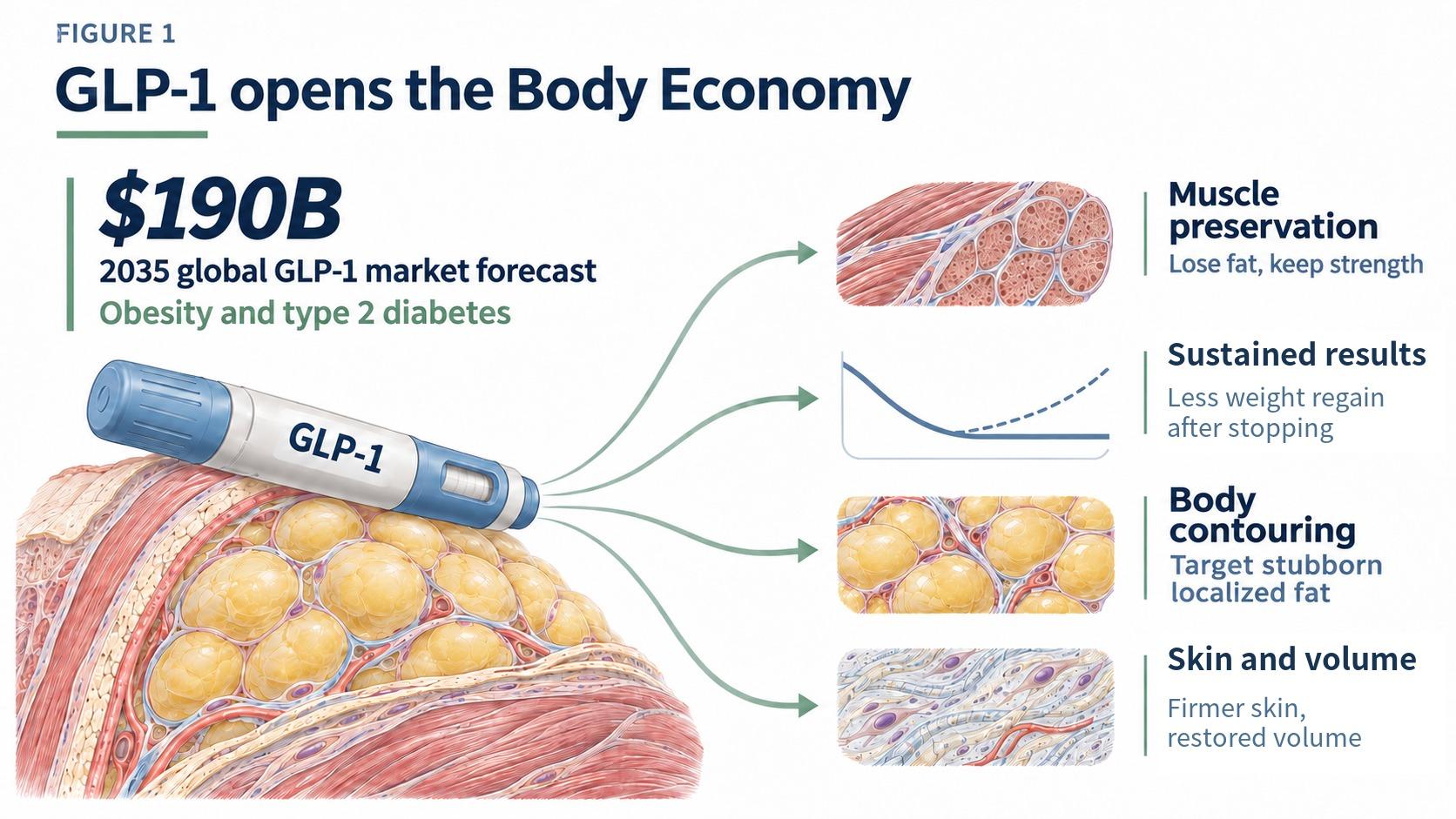
Figure 1 | GLP-1 treatment opens the door to four areas of demand in the Body Economy
Source: [4]. The $190 billion forecast covers the global GLP-1 market for obesity and type 2 diabetes in 2035. The four areas shown represent needs after weight loss, not established treatment benefits.
01 What Patients Need Beyond a $190 Billion GLP-1 Market
Morgan Stanley projects that the global GLP-1 market, covering obesity and type 2 diabetes, will grow from $79 billion in 2025 to $190 billion in 2035. In its base case, treatment penetration among eligible patients rises from approximately 6% to nearly 30% in the United States and from approximately 2% to 10% elsewhere.[4]
For businesses serving patients after weight loss, the growing number of people who can lose substantial weight for the first time matters more than drug sales alone. That population is increasing by tens of millions. In the head-to-head SURMOUNT-5 study, average weight loss at 72 weeks was 20.2% with tirzepatide and 13.7% with semaglutide.[6] Losing one-fifth of body weight is enough to change the proportions of fat, muscle, and skin across the body.
Demand following weight loss is already reaching aesthetics clinics. In a McKinsey survey of 174 U.S. medical aesthetics providers, 63% of GLP-1 users seeking facial aesthetic treatments had not previously been active aesthetics consumers.[7] The first purchase addresses the pounds. The second begins to address the body left after those pounds are gone.
The $190 billion forecast points to a growing population entering treatment. As more people achieve substantial weight loss, which companies can turn the needs that follow into distinct products worth paying for?
Needs after weight loss fall into at least four gaps:
Table 1 | Four unmet needs after weight loss and the limits of current care
Unmet need | What patients want | Why current care falls short |
|---|---|---|
Weight-loss quality | Lose fat while preserving muscle, strength, and function | Nutrition support and resistance training remain difficult to implement widely; drug uses for preserving muscle during weight loss still await approval |
Long-term maintenance | Sustain weight loss after stopping or changing treatment | Ongoing medication adds cost and burden; substantial regain can follow discontinuation |
Localized body contouring | Reduce residual subcutaneous fat in specific areas after weight loss | Weight-loss drugs cannot target a body area; devices have limited effects and liposuction requires surgery; no approved abdominal fat reduction drug identified in Caliway’s landscape[24] |
Volume and skin | Restore lost volume and address laxity | Most options focus on the face; evidence for body areas remains limited |
These gaps involve different patients and budgets, and one number on the scale cannot measure them all. A product that produces another two kilograms of weight loss is not necessarily more valuable than one that preserves two kilograms of lean tissue. A procedure that reduces abdominal fat will not restore lost facial volume. Pharmaceutical companies, biotechnology developers, and aesthetics platforms are placing bets on different needs.
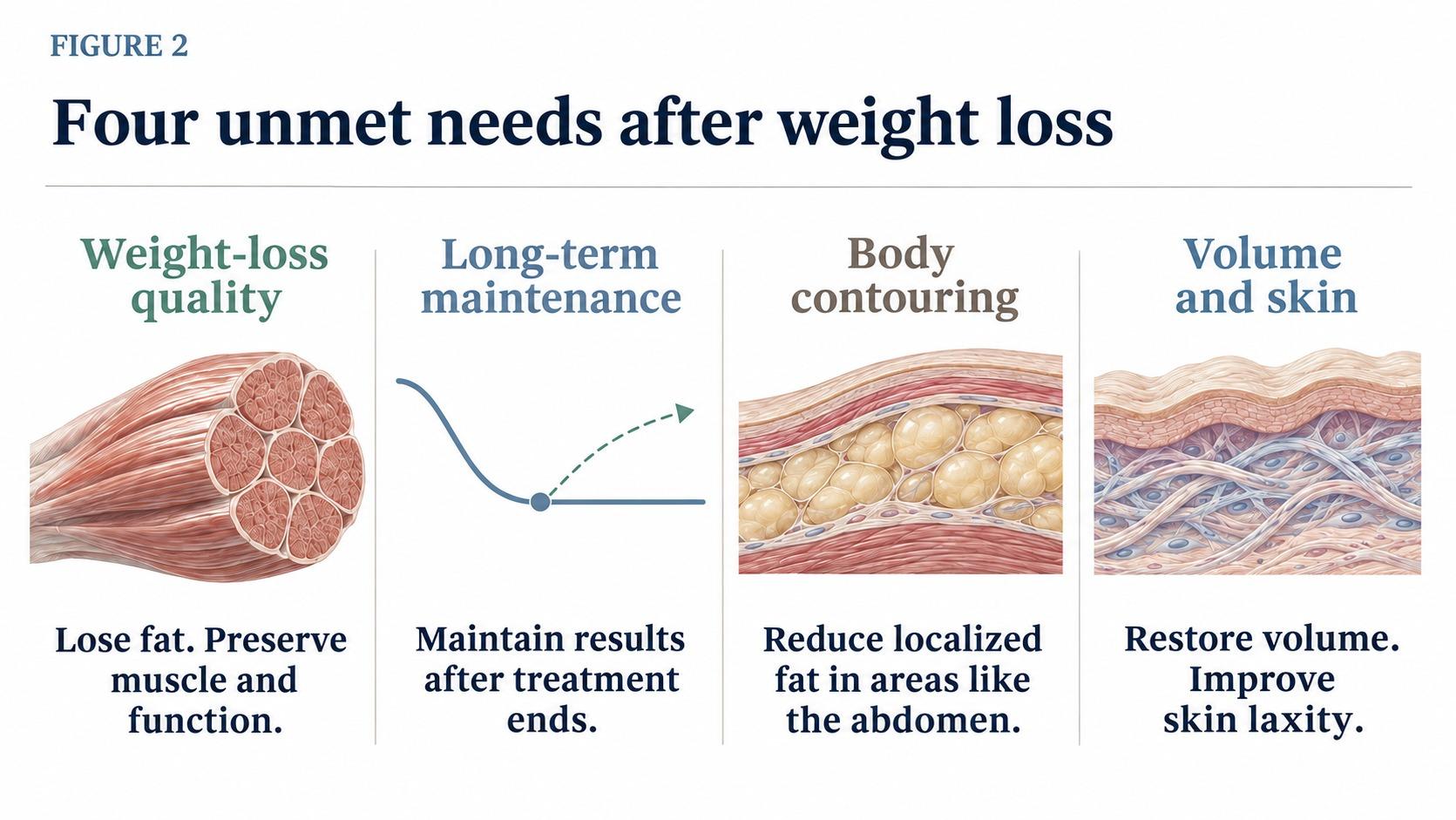
Figure 2 | Clinical objectives and tissue targets across four unmet needs after weight loss
02 Weight-Loss Quality and Human Trials of Muscle Preservation
The SURMOUNT-1 body composition substudy found that approximately three-quarters of the weight lost over 72 weeks of tirzepatide treatment came from fat and one-quarter from lean tissue.[8] Lean tissue includes muscle and other nonfat tissues. With tens of millions of people losing weight, preserving muscle and function during fat loss has become a distinct medical concern, particularly for older adults.
Table 2 | Leading muscle preservation and body composition programs and human trial results
Company and program | Representative human trial findings |
|---|---|
Lilly / bimagrumab | Phase 2 BELIEVE, 507 participants: at 48 weeks, fat accounted for 92.3% of weight lost with high-dose bimagrumab plus semaglutide versus 71.1% with semaglutide 2.4 mg alone (treatment-regimen estimand).[9] |
Regeneron / trevogrumab | Phase 2 COURAGE, 75 mg group: with semaglutide over 52 weeks, DXA-measured lean tissue declined 4.2%, versus 7.3% with placebo plus semaglutide.[10] |
Scholar Rock / apitegromab | Phase 2 EMBRAZE, 102 participants: with tirzepatide over 24 weeks, approximately 1.9 kg less lean tissue was lost than with placebo plus tirzepatide.[11] |
Roche / HM17321 and ALK7 RNAi | Early-stage programs targeting the balance between fat and lean tissue through non-incretin mechanisms.[1][3] |
Trial populations, regimens, assessment times, and endpoints differ, so the results cannot be compared directly. The combination results in the table primarily show less lean tissue loss, not a net gain in muscle from baseline. DXA-measured lean tissue is not the same as skeletal muscle; strength and daily function require their own measures. In EMBRAZE, the two groups lost similar amounts of weight but differed substantially in lean tissue loss. The scale alone may understate the value of these treatments.
Companies are voting with real money. Lilly acquired Versanis in 2023 for up to $1.925 billion to obtain bimagrumab.[12] The potential total value of Roche’s two licensing deals this year exceeds $3.4 billion. TD Cowen has also modeled the 2035 U.S. muscle preservation market using the number of adults with obesity, treatment penetration, and annual drug spending.[13]
Roche stopped emugrobart after a Phase 2 interim analysis suggested that it was unlikely to meet its prespecified target for clinically meaningful weight loss, rather than because of safety concerns.[2]
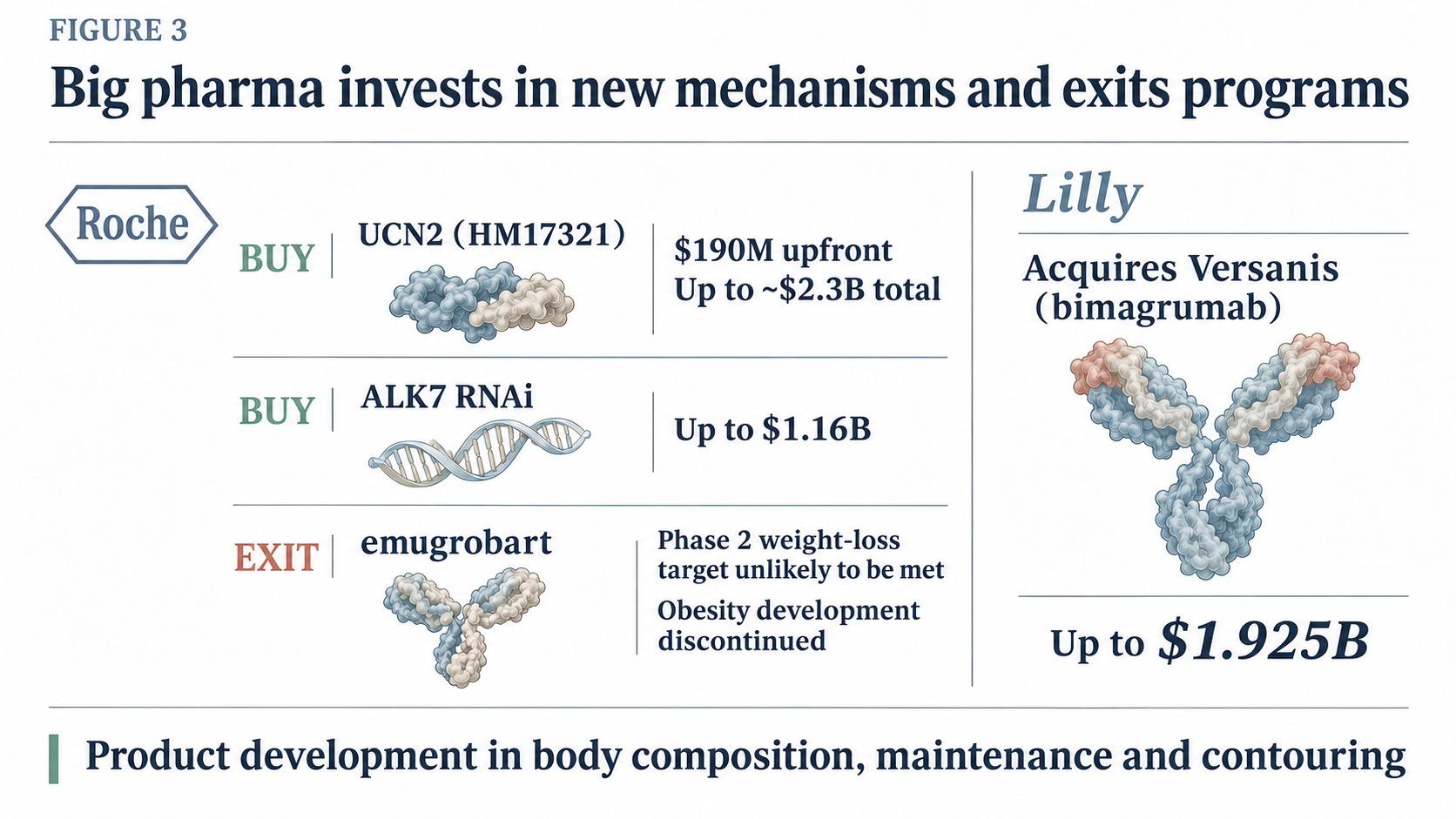
Figure 3 | Buying into new mechanisms and exiting programs at Roche and Lilly
03 Long-Term Maintenance After Treatment Ends
SURMOUNT-4 provides a benchmark. Participants who received tirzepatide for 36 weeks and then switched to placebo regained an average of 14% of their body weight over the following 52 weeks. Those who continued treatment lost an additional 5.5%.[14] In the STEP 1 extension, participants regained an average of approximately two-thirds of their prior weight loss one year after stopping semaglutide and the lifestyle intervention.[45] Regain after discontinuation is common, but its extent and speed vary. Long-term maintenance care aims to reduce regain and the burden of ongoing treatment, rather than guarantee that weight will stay off after treatment ends.
Two approaches now have human data. In Phase 3b ATTAIN-MAINTAIN, Lilly tested a switch from injectable therapy to oral orforglipron. Under the efficacy estimand, average weight regain at 52 weeks was 0.9 kilograms in participants previously treated with semaglutide and approximately 5.0 kilograms in those previously treated with tirzepatide. The groups received different lead-in therapies, and the trial had no comparison arm continuing the original injectable.[15] Fractyl is testing Revita duodenal mucosal resurfacing. In company-reported six-month REMAIN-1 results, the 308-participant trial showed weight regain of 5.1% with Revita versus 8.2% with a sham procedure after tirzepatide discontinuation. Results for the 12-month co-primary endpoint are expected in the first quarter of 2027.[16]
Maintenance offers substantial demand, but much of the revenue may move from existing treatments: when patients switch from an injectable to an oral drug, who earns the revenue changes; total spending does not necessarily grow.
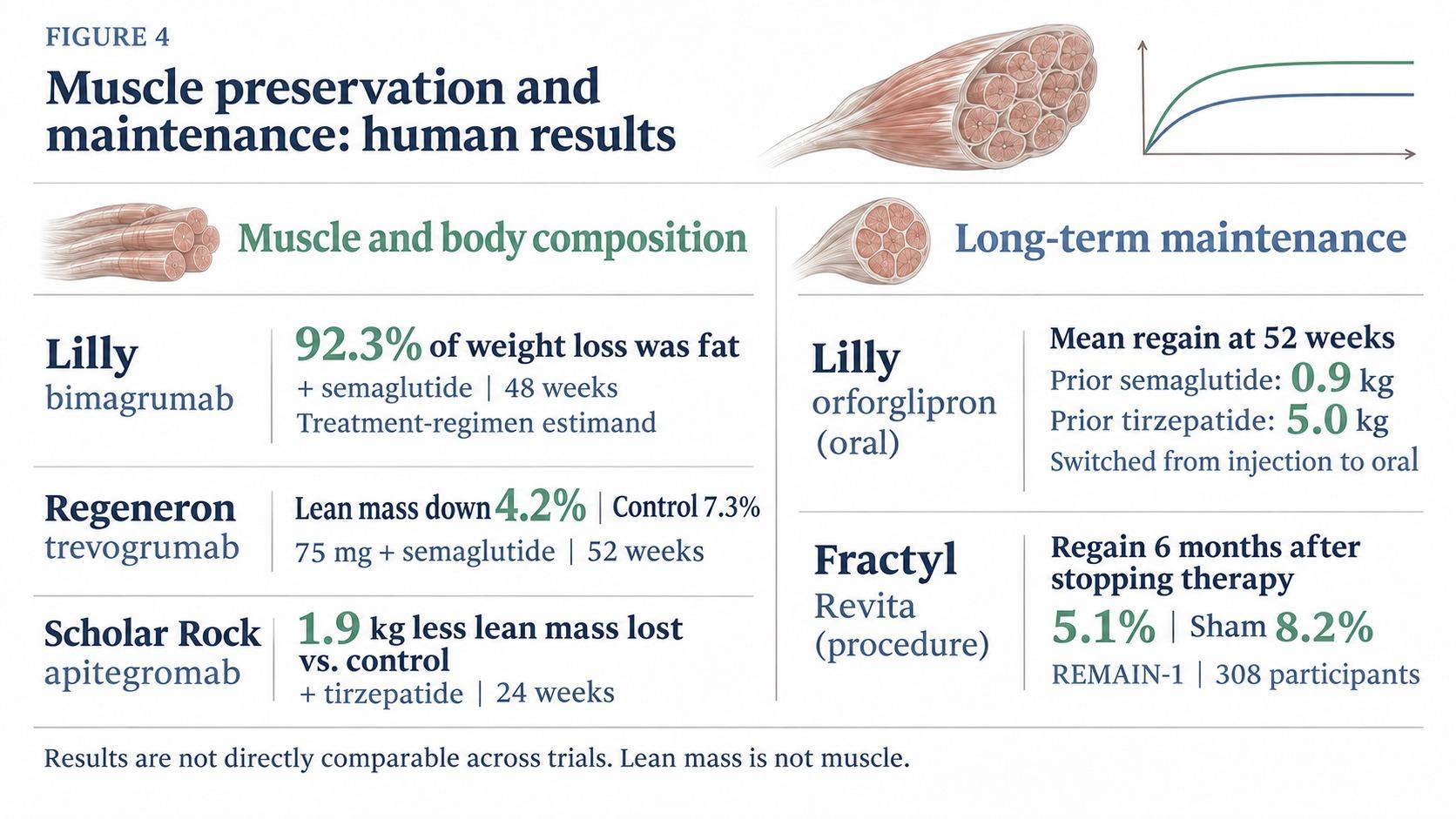
Figure 4 | Representative human trial results in muscle preservation and weight maintenance
Sources: [9][10][11][15][16]. BELIEVE figures are the high-dose combination group’s 48-week treatment-regimen estimand results. REMAIN-1 figures are company-reported results for the six-month co-primary endpoint.
04 Localized Contouring Beyond the Reach of Weight-Loss Drugs
Even with good weight control, patients may remain dissatisfied with their abdominal proportions. Systemic weight-loss drugs cannot selectively reduce subcutaneous fat in a particular area at the patient’s request. The FDA also distinguishes localized body contouring from obesity treatment.[17] Localized fat, skin laxity, and volume loss are separate concerns that require separate assessment.
Existing tools have limits. Cryolipolysis, radiofrequency, and other energy-based devices have a limited magnitude of effect. Liposuction acts more directly but requires surgery and recovery. Injectable fat reduction has attracted interest as an option between the two, although most competing drug programs still focus on the area under the chin:
Table 3 | Injectable fat reduction products by treatment area and development status
Company and product | Approved or main study area | Status | Positioning and limitations |
|---|---|---|---|
AbbVie / KYBELLA | Submental | U.S. approved | U.S. approved for submental fat; use in other areas is not approved and is not recommended.[18] |
Medytox / NUVIJU | Submental | Launched in South Korea | Approved in South Korea for moderate to severe submental fat; entering Asian medical aesthetics channels.[19] |
Raziel–Fosun / RZL-012 | Submental | Positive China Phase 3 results (480 participants) | Primary submental response rate approximately 30 percentage points above placebo; separate body-contouring trials are planned.[20] |
Caliway / CBL-514 | Abdomen | Two global pivotal Phase 3 studies | One of the more advanced candidates for large-area abdominal subcutaneous fat reduction.[21] |
Cryolipolysis and radiofrequency devices | Multiple areas | Marketed | Noninvasive, but effects per session are limited and operator-dependent.[17] |
Treatment acceptance also depends on local reactions and recovery. In 2022, Endo announced that it would stop producing and selling Qwo, an injectable cellulite treatment. Its stated reasons included market concerns about the extent and variability of bruising after initial treatment and the potential for prolonged skin discoloration.[22] Caliway’s published landscape identifies no approved drug for large-area abdominal subcutaneous fat reduction, one of the clear gaps in the Body Economy.[24]
The abdomen is not simply a larger chin. A larger treatment area requires a different balance of dose, injection distribution, procedure time, and local reactions. The effect must be visible to both patient and physician, with an acceptable recovery burden. Those demands help explain the absence of an abdominal drug and the challenge and opportunity facing early entrants.
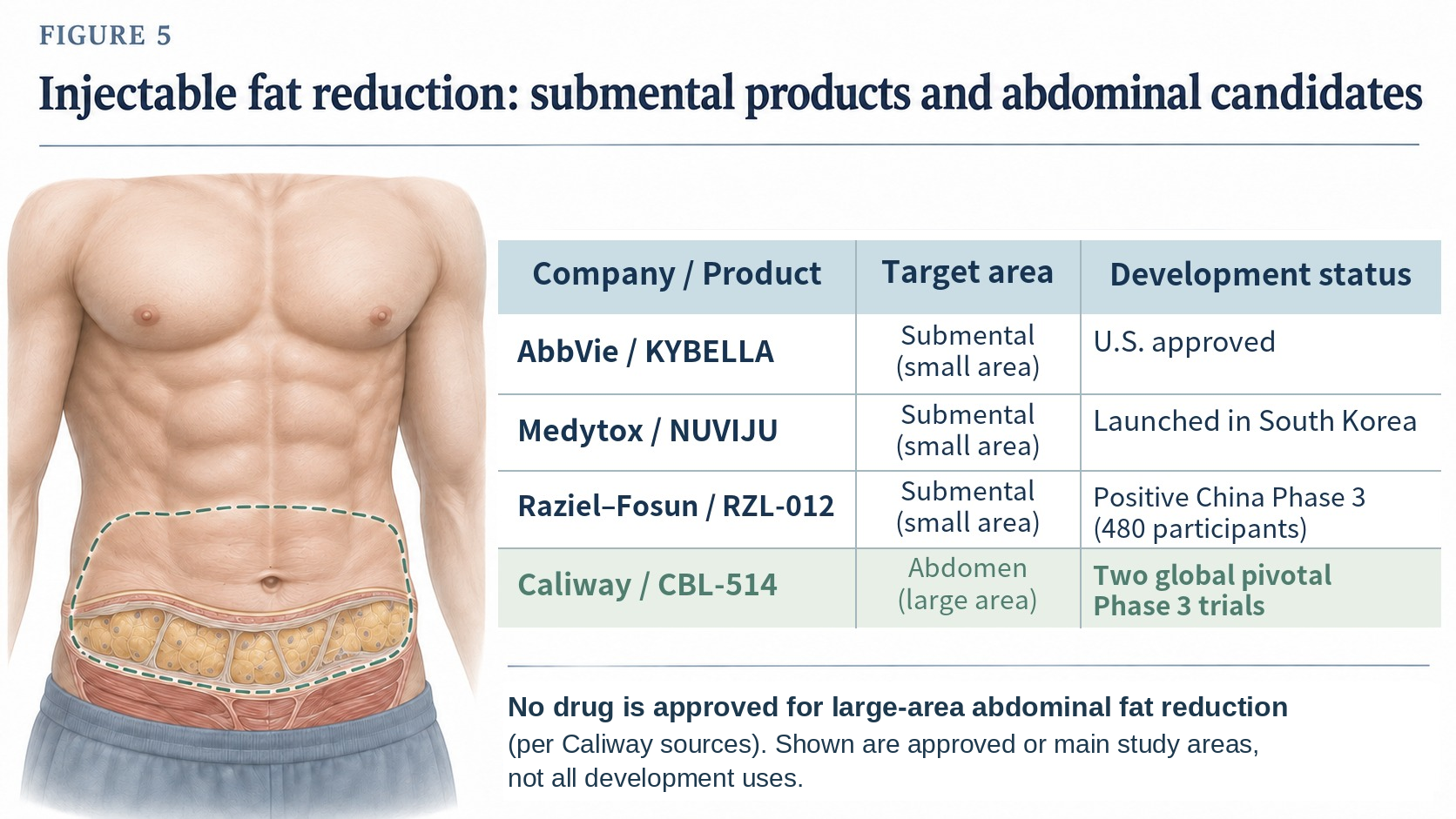
Figure 5 | The injectable fat reduction landscape from submental products to abdominal candidates
Sources: [18][19][20][21][24][26]. The table and figure show approved or principal development areas discussed here, not every use under investigation. The abdominal drug approval gap reflects Caliway’s published landscape.
05 Caliway CBL-514 From Abdominal Fat Reduction to Contouring After GLP-1
Taiwan-based Caliway Biopharmaceuticals is developing CBL-514, one of the more advanced abdominal fat reduction candidates. It is not approved for marketing. Development has two areas of focus: localized abdominal fat reduction is the core program, while further research examines GLP-1 combinations and fat regain after treatment discontinuation.
The Core Program Aims to Be the First Drug for Large Area Abdominal Fat Reduction
Phase 2b CBL-0205 enrolled 173 participants in total across multiple arms. Four weeks after final treatment, MRI-measured fat volume in the designated abdominal area fell by an average of 22.4% with CBL-514, versus a 1.8% increase with placebo.[23] The company separately reported composite physician and participant assessments in the full analysis set (FAS): at least one-grade improvement was achieved by 63.6% versus 10.8% with placebo, and at least two-grade improvement by 21.2% versus 0%.[24] A peer-reviewed report from the separate Phase 2b CBL-0204 trial found that, among FAS participants with assessment data 12 weeks after final treatment, participant-rated improvement of at least one grade was achieved by 76.7% (23/30) versus 19.4% (7/36) with placebo, p < 0.0001.[41] Together, these trials provide supportive evidence of CBL-514’s efficacy and safety and its potential in nonsurgical localized fat reduction.
Building on the earlier studies, Caliway has announced enrollment initiation for both global pivotal Phase 3 studies, SUPREME-01 and SUPREME-02. Each plans to randomize 320 participants, for a combined total of 640 including both drug and placebo arms. Treatment is given every four weeks for up to four sessions; the company confirms a maximum active-ingredient dose of 600 mg per session.[25][26][36] Under the revised protocols announced by the company, the primary efficacy endpoint in both studies is improvement of at least two grades on both physician and participant ratings four weeks after final treatment. The trials will assess efficacy and safety in larger samples.[42] The Asia-Pacific Phase 2 study CBL-0206 in Taiwan and Australia continues. According to the company’s November 5, 2026 announcement, China’s NMPA Center for Drug Evaluation has authorized Phase 1 CBL-0102 to proceed.[21][24][34]
What Could Set CBL-514 Apart and Expand Its Market
According to Caliway, CBL-514 is being developed to induce the natural process of adipocyte apoptosis, and existing trials provide data on fat reduction and local tissue tolerability.[24] KYBELLA’s active ingredient, deoxycholic acid, reduces submental fat by disrupting cell membranes and causing cell lysis. Its known risks include swelling, bruising, pain, marginal mandibular nerve injury, dysphagia, and injection-site ulceration and necrosis. In 2026, the FDA updated the warning to note that serious adverse reactions may occur with use outside the submental area; such use is not approved and is not recommended.[18] CBL-514’s adipocyte-apoptosis mechanism differs from the cell-lytic action of deoxycholic acid, providing a distinct development approach to localized fat reduction.
Development in other indications is also worth following. CBL-514 is a novel small molecule being developed through the 505(b)(1) pathway. The same active ingredient is being studied in cellulite and the rare disorder Dercum’s disease. In company-reported Phase 2 results, more than 95% of participants showed improvement in thigh cellulite; in September 2026, the company announced a statistically significant primary efficacy result in Dercum’s disease.[27][28] According to information provided by the company during its review, more than 550 participants have taken part in CBL-514 clinical trials worldwide. In its October 29 announcement, the company reported that all 10 completed trials with statistical reports had met their primary and key secondary efficacy endpoints.[26]
Testing GLP-1 Combinations and Fat Regain
One goal of combining CBL-514 with GLP-1 or other weight-loss drugs is to reduce weight and fat regain after treatment ends, while exploring possible changes in metabolic measures. The company reported signals of less regain after discontinuation in animal studies combining CBL-514 with tirzepatide. Animal studies with semaglutide and the amylin receptor agonist eloralintide also explore weight loss and maintenance after discontinuation.[24][26] These findings do not establish efficacy in humans or show that patients could avoid long-term treatment. Separately, the company reported an exploratory Phase 2 human analysis showing reduced visceral fat at L2–L3, selected for an oral presentation at EASD 2026. That finding offers another direction for body composition research.[24]
The FDA has allowed Phase 2 CBL-0201WR, combining CBL-514 with tirzepatide, to proceed. The study plans to enroll 120 participants at approximately 10 U.S. sites and primarily assesses abdominal subcutaneous fat changes at week four after discontinuation. Weight, visceral fat, and body composition are exploratory measures.[24][29] Animal studies combining CBL-514 with semaglutide and eloralintide are scheduled for presentation at ObesityWeek 2026 in mid-November.[26] According to the company, following FDA advice, the CBL-0201WR combination study’s indication was defined as “reduction of abdominal subcutaneous fat in adults who are overweight or have obesity.” The development goal is to complement weight-loss drugs. Any subsequent changes to trial design or indication will depend on study results and regulatory discussions.[29][30]
Three results will be important to follow. In both Phase 3 studies, is the response rate for improvement of at least two grades on both physician and participant ratings statistically different from placebo, with an effect large enough to support clinical value? Do safety and tolerability in larger samples remain consistent with the Phase 2 findings? Can CBL-0201WR show in humans that adding CBL-514 to tirzepatide produces greater abdominal subcutaneous fat reduction or less regain after discontinuation than tirzepatide alone?[25][29][36][42] If any result falls short, the corresponding development and market assumptions should be reassessed. Conversely, if CBL-0201WR shows that adding CBL-514 to tirzepatide reduces more body weight or visceral fat than tirzepatide alone, or meaningfully limits weight and fat regain after discontinuation, it could redefine the product’s market and valuation.
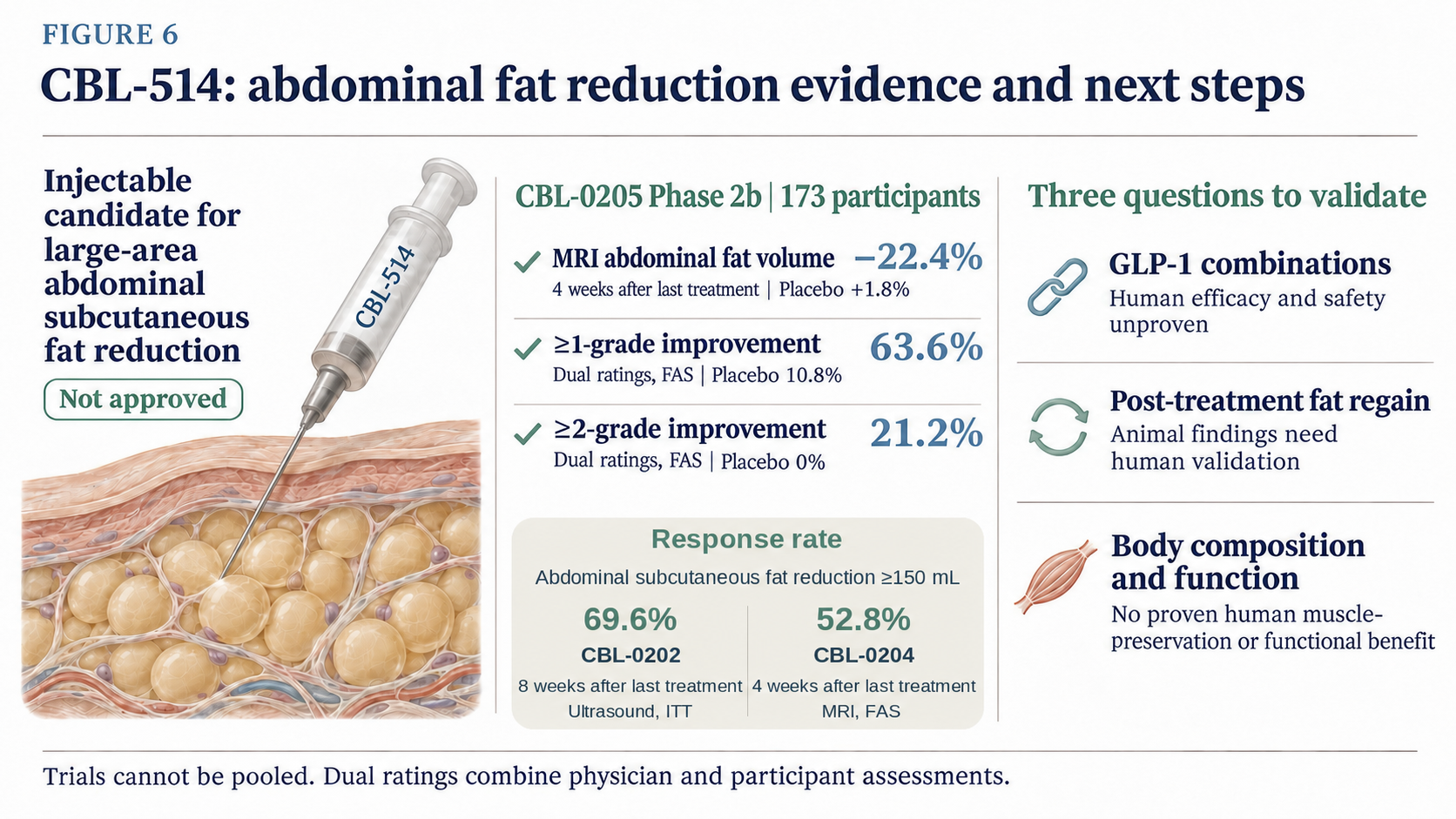
Figure 6 | CBL-514 evidence for abdominal fat reduction and questions for further study
Sources: [23][24][41][46]. CBL-0205 MRI results are measured four weeks after final treatment; the composite assessments are company-reported FAS results. Response rate is the share of participants with at least 150 mL reduction in abdominal subcutaneous fat: 69.6% in CBL-0202 (eight weeks after final treatment, ultrasound, ITT), and 52.8% (19/36) in CBL-0204 (four weeks after final treatment, MRI, FAS), as reported in the peer-reviewed paper. Results from different trials, methods, and time points cannot be pooled.
06 Volume and Skin Where Patients Want Less and Where They Want More
The informal term “Ozempic body” is not a medical diagnosis. It commonly describes skin laxity, loss of fullness, and contour changes after substantial weight loss, rather than residual localized fat. Similar changes can occur with other forms of weight loss.[43] Rapid or substantial weight loss may also trigger temporary telogen effluvium, with severity and recovery time varying by person.[44] Hair loss, reduced strength, or suspected endocrine problems require individual assessment and cannot be addressed solely through volume replacement or a single contouring procedure. Galderma completed a nine-month facial study using Sculptra and Restylane in people who had experienced medication-driven weight loss.[31] In October, it signed an agreement to acquire ZO Skin Health at an enterprise value of $1.5 billion, strengthening its physician channel and continued care.[32] Evidence for volume restoration, treatment of laxity, and other care needs should be considered separately.
07 Four Unmet Needs, Four Paths to Growth
GLP-1 drugs opened the weight-loss market. Preserving muscle, maintaining results, contouring the body and restoring volume extend that treatment into continuing care. Each need now has a measurable market reference point:
Table 4 | Representative markets and key competitors across four unmet needs
Unmet need | Market basis and demand | Key competitors | Revenue characteristics and hurdles |
|---|---|---|---|
Weight-loss quality | 2035: approximately $30B/year in the U.S.[13] | Lilly, Regeneron, Scholar Rock, Roche | Incremental drug revenue; functional benefits must be demonstrated |
Long-term maintenance | U.S. Revita addressable market: $40–120B; not annual revenue[37] | Lilly, Novo Nordisk; Fractyl | Largely a reallocation of spending; long-term treatment burden must fall |
Localized body contouring | Global body-fat reduction, including surgery: $12.23B in 2026 → $26.12B in 2035[38]; abdomen: 38.25% of noninvasive procedure fees in 2025[40] | Caliway, Raziel–Fosun; devices and surgery | Both new patients and shifts between treatments; no approved abdominal fat reduction drug identified in Caliway’s landscape[24] |
Volume and skin | Global dermal fillers: $6.9B in 2026 → $14.2B in 2033[39] | Galderma, AbbVie, Mentor | Largely shifts in spending on existing procedures; limited evidence for body areas |
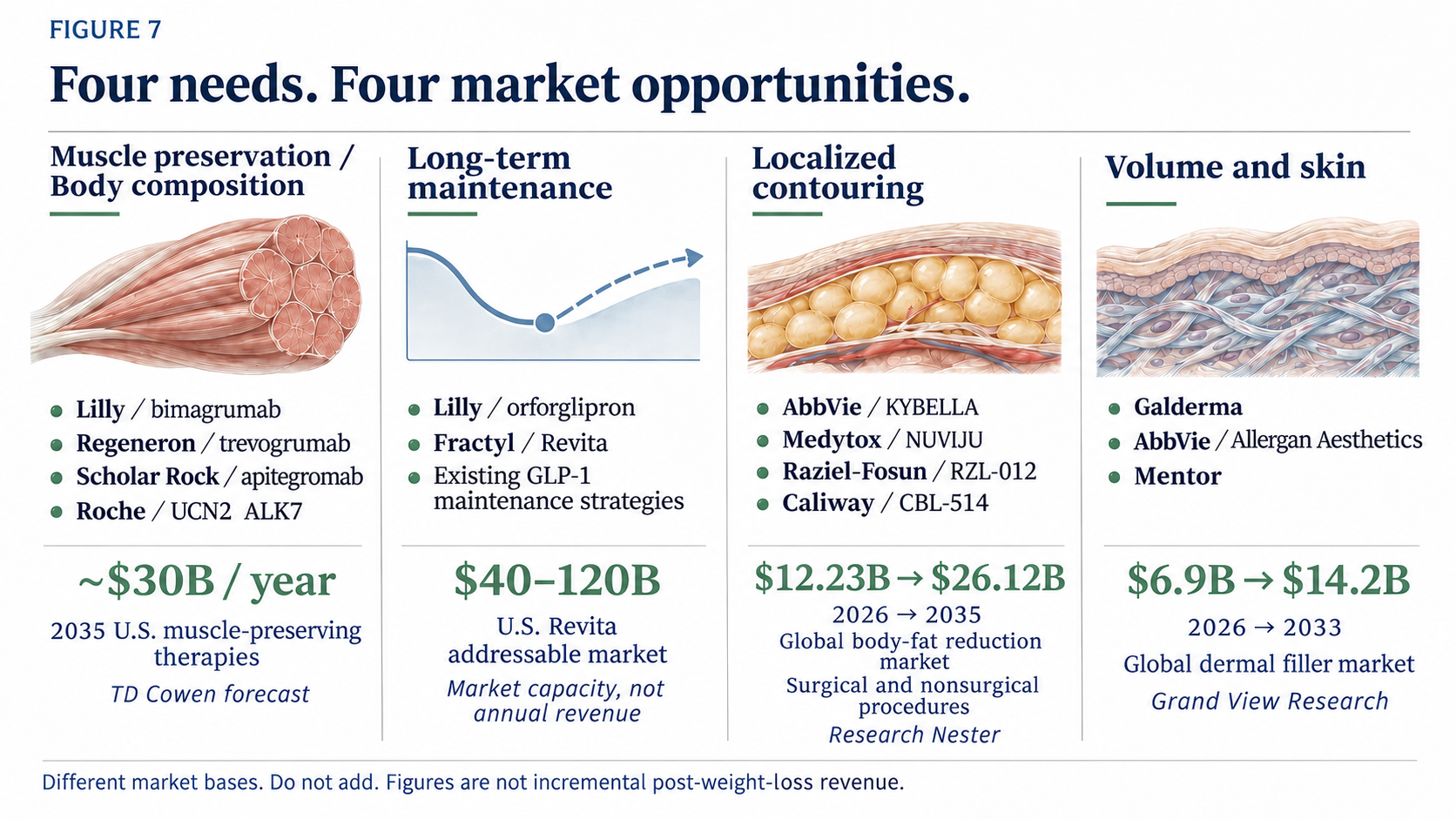
Figure 7 | Representative markets, competitors and opportunities across four unmet needs
Market bases: muscle preservation is a U.S. annual sales forecast; Revita is U.S. addressable market capacity, not annual revenue. Body-fat reduction includes global surgical and nonsurgical procedures; the abdominal share is from a separate estimate of 2025 noninvasive procedure fees. The two figures are not multiplied. Dermal fillers cover established global aesthetic uses. These figures should not be added and are not forecasts of Caliway revenue.
These markets reward different strengths: pharmaceutical companies control prescription access, aesthetics platforms reach clinics, and developers of new mechanisms build product and licensing value through human evidence.
For Caliway, abdominal fat reduction is the entry point and GLP-1 combination treatment is the next development direction. Bringing a large-area abdominal treatment to market, then demonstrating combination benefits in humans, is the path from a localized need to sustained commercial value.
Conclusion What the Body Needs After Weight Loss
The GLP-1 era has taught the industry how to reduce body weight. Now it needs to look more closely at what different parts of the body need. Some patients need to preserve muscle and mobility. Others need a more manageable maintenance regimen, treatment for localized fat, or restoration of lost volume. One number on the scale cannot show whether those needs have been met.
The $190 billion forecast shows the scale of the entry point opened by weight-loss drugs. The value of the last mile depends on who can help patients achieve a body closer to what they actually want after weight loss.
This article is an industry and company analysis and does not constitute investment or medical advice.
Key Sources
Click a source title to open the original material.
[1] Hanmi | HM17321 licensing agreement with Genentech (August 24, 2026)
[2] Chugai | Discontinuation of emugrobart development in obesity (September 28, 2026)
[3] Rona | ALK7 RNAi licensing agreement with Roche (October 2026)
[4] Morgan Stanley | GLP-1 market outlook (April 22, 2026)
[6] NEJM | SURMOUNT-5 head-to-head trial (2025)
[7] McKinsey | GLP-1 use and new medical aesthetics consumers (May 15, 2025)
[8] Diabetes, Obesity and Metabolism | SURMOUNT-1 body composition substudy (2025)
[9] Nature Medicine | Phase 2 BELIEVE trial (2026)
[10] Regeneron | COURAGE 75 mg group results at 52 weeks (October 1, 2026)
[11] Nature Medicine | Phase 2 EMBRAZE trial (2026)
[12] Lilly | Completion of the Versanis acquisition (August 14, 2023)
[13] TD Securities | TD Cowen analysis of the muscle preservation opportunity (July 22, 2025)
[14] JAMA | SURMOUNT-4 maintenance trial (2023)
[15] Nature Medicine | Phase 3b ATTAIN-MAINTAIN trial (May 13, 2026)
[16] Fractyl | Six-month co-primary endpoint results from REMAIN-1 (October 16, 2026)
[17] FDA | Uses and limitations of noninvasive body contouring
[18] FDA | KYBELLA labeling update (September 15, 2026)
[19] Medytox | NUVIJU launch in South Korea (March 23, 2026)
[20] Raziel and Fosun | Phase 3 RZL-012 trial in China (September 2, 2026)
[21] Genet | SUPREME-02 enrollment and ObesityWeek presentations (October 30, 2026)
[22] Endo | Discontinuation of Qwo production and sales (December 2022)
[23] Caliway | Phase 2b CBL-0205 results (February 9, 2025)
[24] Caliway | Key takeaways from the second-half 2026 investor conference (August 31, 2026)
[25] ClinicalTrials.gov | SUPREME-01 trial design (NCT07140939)
[26] Caliway | Initiation of SUPREME-02 enrollment (October 29, 2026)
[27] Anue | Phase 2 CBL-514 cellulite results
[28] GeneOnline | Phase 2 CBL-0202DD disclosure in Dercum’s disease (September 21, 2026)
[29] Caliway | FDA clearance of the CBL-0201WR IND (August 25, 2026)
[30] Commercial Times | CBL-0201WR indication revised following FDA advice (February 9, 2026)
[32] Galderma | Agreement to acquire ZO Skin Health (October 14, 2026)
[36] ClinicalTrials.gov | SUPREME-02 registration (NCT07526974; endpoint amendment in [42])
[37] Fractyl | Revita commercial strategy presentation (September 1, 2026), slides 23 and 37
[39] Grand View Research | Global dermal fillers, 2026–2033 forecast (accessed November 7, 2026)
[41] Aesthetic Surgery Journal | CBL-0204 randomized, placebo-controlled Phase 2b trial (2026)
[43] Cleveland Clinic | Appearance changes after GLP-1 weight loss
[44] Annals of Dermatology | Retrospective study of weight-loss-associated telogen effluvium (2024)
[45] Diabetes, Obesity and Metabolism | STEP 1 off-treatment extension (2022)
[46] Aesthetic Surgery Journal | CBL-0202 randomized Phase 2 trial (2025)
Market notes: TD Cowen’s approximately $30B forecast models U.S. myostatin-based therapies. Fractyl’s capacity estimate uses approximately 4 million eligible patients and $10,000–$30,000 per procedure; pricing is undetermined and no annual realization is specified. GVR’s dermal filler market includes established anti-aging and volume-restoration uses, not all skin restoration or incremental demand after weight loss.
Share this analysis
Send this article to readers who follow biotech, company strategy, and capital-market signals.
Cite this article
For decks, research notes, or media references, cite Drugnews with the canonical article URL.
Drugnews Editorial Team. "The $190 Billion Business Beyond Weight-Loss Drugs: Abdominal Fat Reduction Still Has No Approved Drug." Drugnews, Nov 16, 2026. https://drugnews.com.tw/articles/2026-11-16-caliway-body-economy-after-weight-loss-en.html