
Actinogen raised money in February after an interim review backed continuing its Alzheimer’s trial.
A positive result would trigger another Phase 3 trial. On November 19, Xanamem fell short.
On the primary scale, scores worsened by 0.10 points less on Xanamem than on placebo at Week 36 (p = 0.65). Actinogen paused spending on the next trial.

XanaMIA itself was a Phase 2b/3 trial. It enrolled 247 people with mild to moderate Alzheimer’s disease.
Actinogen’s estimate of about 30% slower decline came from participants older than 75. Their mean CDR-SB score worsened by 0.39 points less than on placebo at Week 36, a statistically nonsignificant difference (p = 0.22).
That p value came from a comparison within the subgroup and did not test whether treatment efficacy differed by age.
From February fundraising to a pause in Phase 3 spending
In late January, an independent committee reviewed interim efficacy and safety data and recommended that the study continue as planned. On February 2, Actinogen told investors a positive readout would put it straight into another Phase 3 trial.
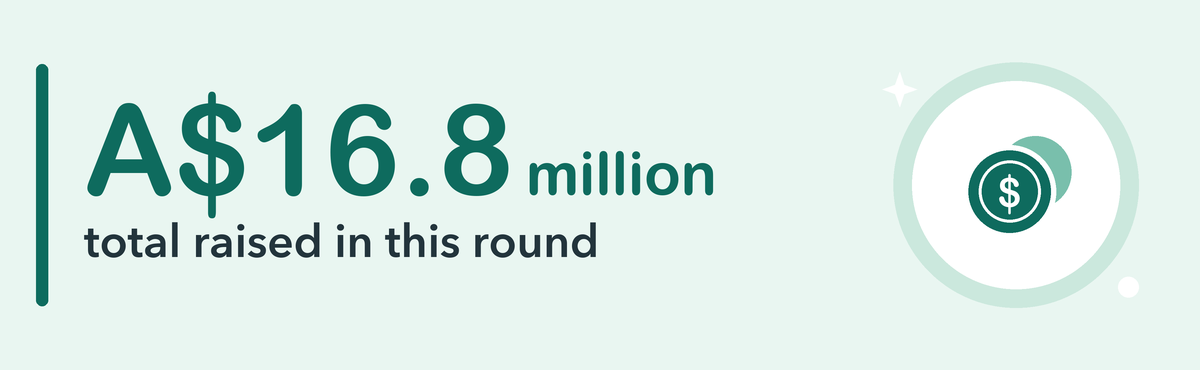
Actinogen announced about A$12 million in placement commitments that day. On February 27, it reported another A$4.8 million from its share purchase plan, bringing the round to A$16.8 million.
Proceeds were earmarked for finishing XanaMIA, starting its open-label extension and general corporate expenses.
The primary scale, the Clinical Dementia Rating Sum of Boxes (CDR-SB), tracks memory, judgment and everyday function, such as whether someone needs help with a previously familiar task. Higher scores mean greater impairment.
XanaMIA randomly assigned participants to a 10 mg daily pill or placebo under double blinding. Its planned primary comparison came at Week 36.
Actinogen disclosed the interim Week 24 numbers in November. Among the 88 participants who had reached that visit at the interim analysis, the pill group worsened by 0.58 points less (p = 0.03).
The full Week 36 analysis covered a broader trial sample and showed a 0.10-point difference.
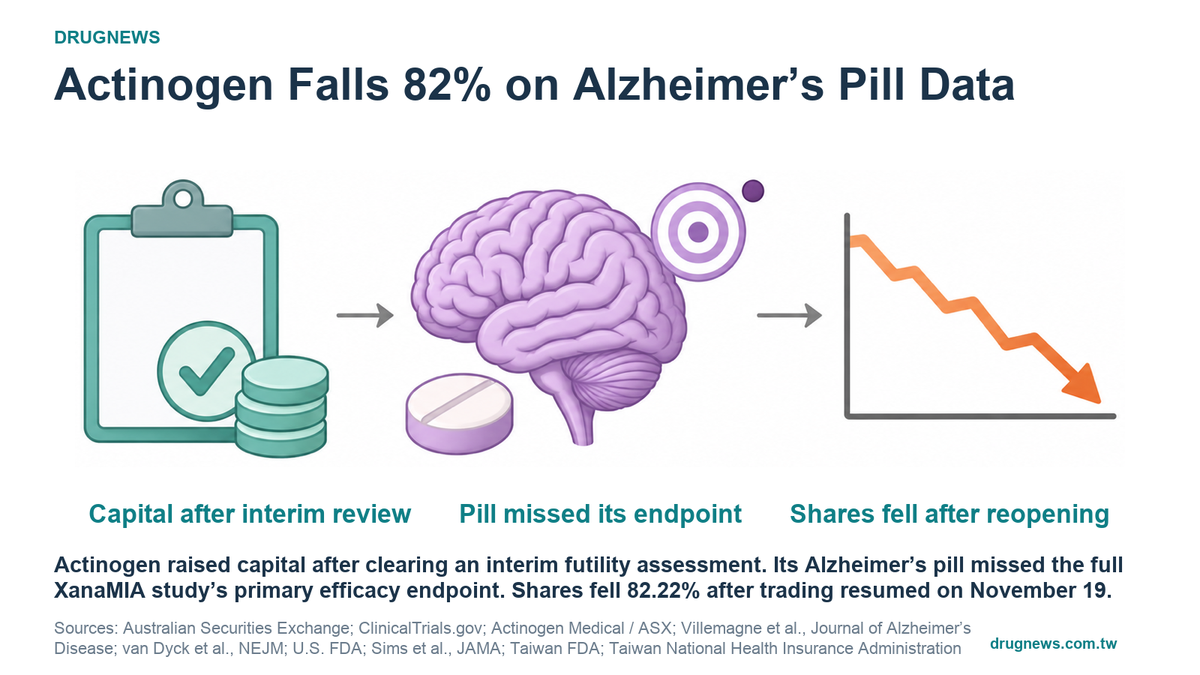
Figure 1. The sponsor’s primary outcome chart shows 123 participants per arm, with 247 enrolled in the trial. The bars show standard errors around group means.
After trading resumed on November 19, Actinogen (ASX: ACW) traded at A$0.008, down 82.22% from the previous close of A$0.045, on volume of 213,989,929 shares.
The spending pause defers the costs of recruiting, running sites and following participants in a new Phase 3 trial. Actinogen is funding the ongoing extension and continuing data analysis, patent work and outreach to potential partners.
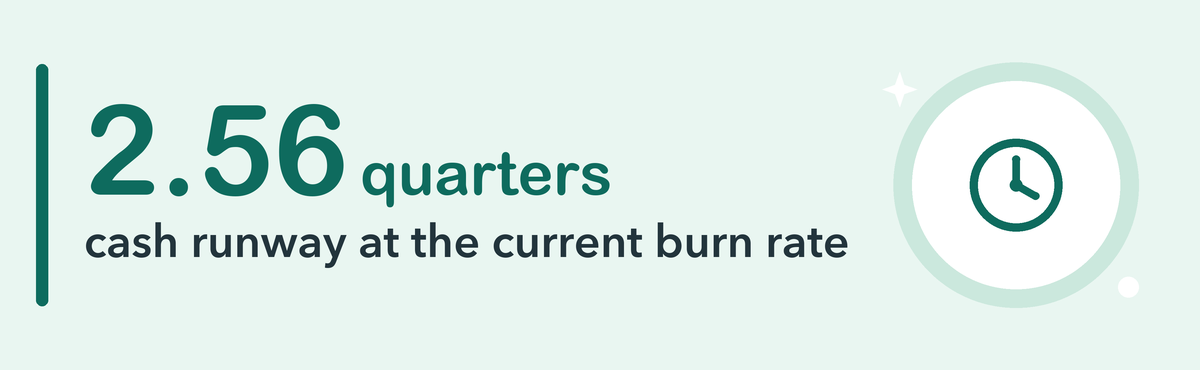
Its September Appendix 4C showed A$15.865 million in cash and cash equivalents. It reported 2.56 quarters of funding based on the quarter’s net operating cash outflow of A$6.206 million.
Separately, management projected a runway to late 2027 or into 2028, factoring in an expected net R&D rebate and assuming partners substantially funded new trials.
On November 19, Actinogen reported A$18.9 million in cash and no debt. It expects cash commitments to fall substantially starting in early 2027 as XanaMIA closes out and other savings take effect.
What an oral drug still has to show
Xanamem, also called emestedastat, inhibits 11β-HSD1. Cortisol helps regulate the stress response. The drug targets the step that converts cortisone into active cortisol inside brain cells, with the aim of slowing declines in thinking and daily function.
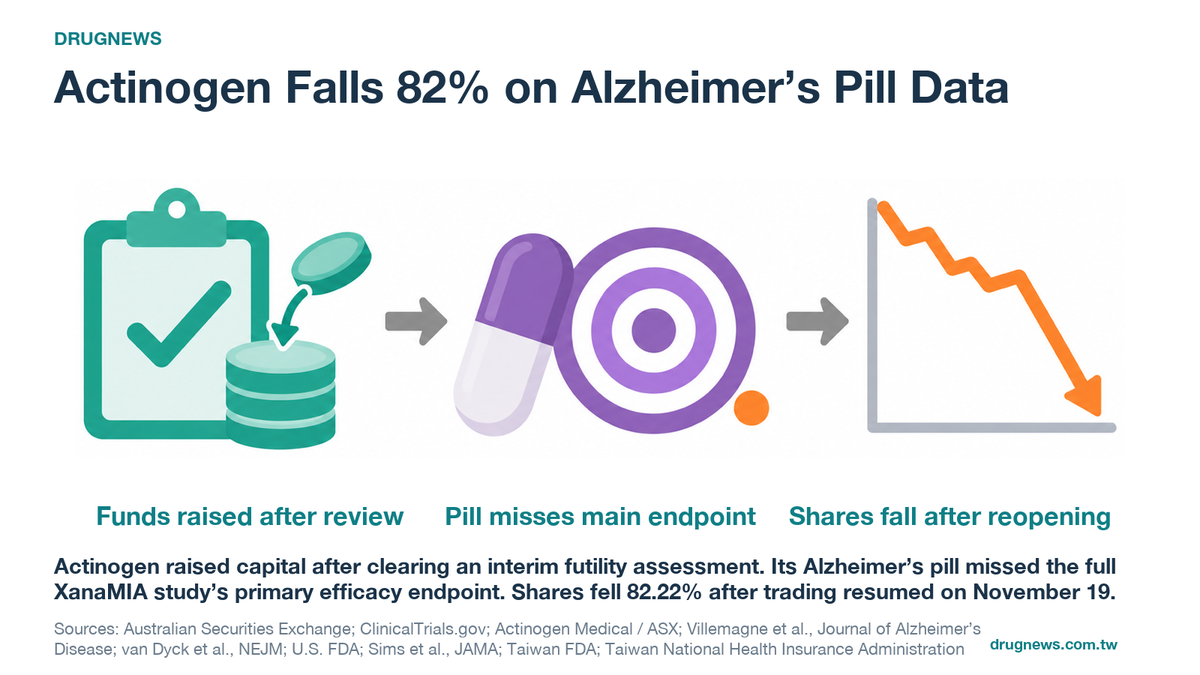
Figure 2. Xanamem is designed to reduce local cortisol generation in the brain.
Human PET imaging showed that the drug occupied the target enzyme in the brain. XanaMIA asked whether patients could hold onto memory and everyday skills longer.
Actinogen saw small numerical trends on cognitive and daily-function measures, alongside the missed CDR-SB outcome.
An infusion can mean arranging transportation, taking time off work and accompanying a family member to the clinic. A daily pill could ease that burden if it slowed decline and patients could tolerate it over time.
Actinogen attributed no serious adverse events during the 36-week treatment period to Xanamem. The registry lists the incidence and severity of treatment-emergent adverse events as a primary safety outcome.
Two outcomes in the same older subgroup
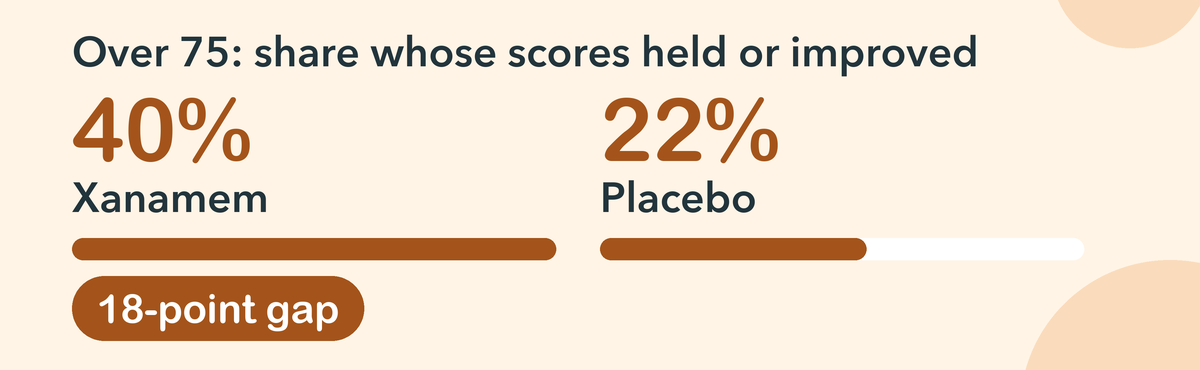
In the group older than 75, 40% on Xanamem and 22% on placebo finished treatment with scores that held steady or improved. The rounded published rates differ by 18 percentage points (p = 0.02).
The responder analysis counts people whose score did not worsen. The continuous analysis averages the amount each person’s score changed.
The age analysis was planned around the median age at baseline. In this trial the cutoff was 75. The mean-score chart lists 55 people on Xanamem and 66 on placebo above that cutoff.
The slides give neither the responder denominators nor the multiplicity adjustment for its p value, and they omit the exact mean placebo change behind the 30% estimate.
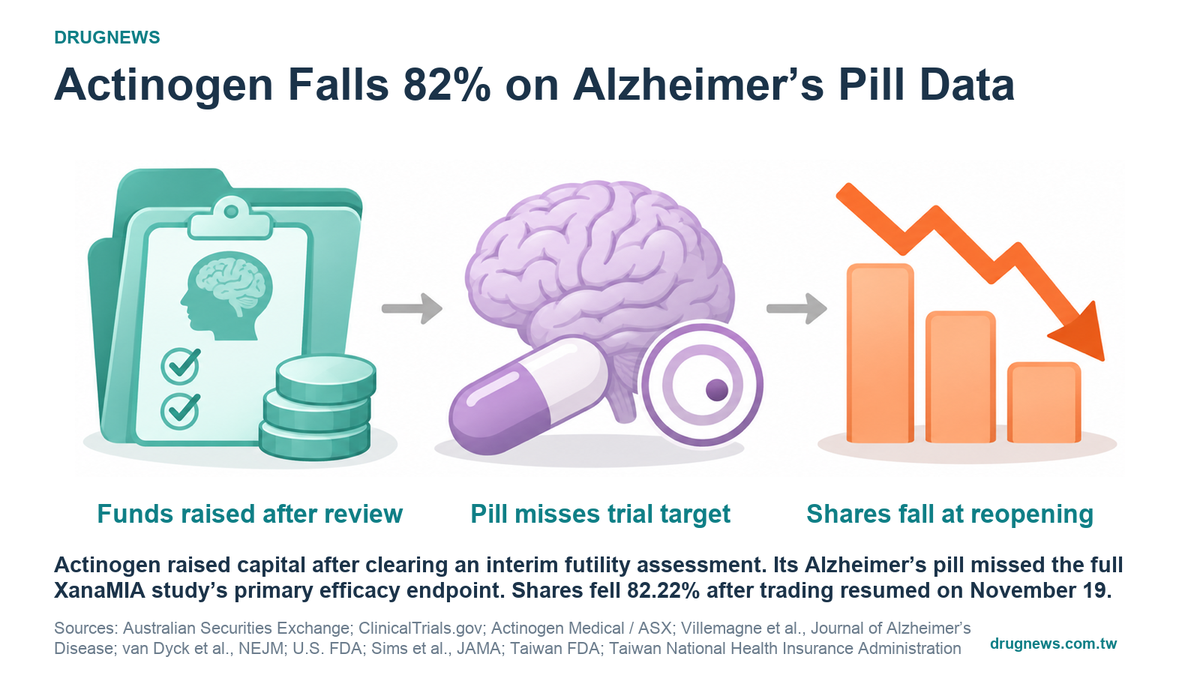
Figure 3. The p value of 0.22 is for the mean-score comparison. The p value of 0.02 is for the share whose score held steady or improved.
A controlled trial in older adults could test whether they benefit. A study comparing treatment effects across age groups could test whether people benefit more at older ages.
What patients can access in Taiwan
U.S. labels for Eisai and Biogen’s Leqembi (lecanemab) and Eli Lilly’s Kisunla (donanemab) call for treatment to start at mild cognitive impairment or mild dementia, with confirmed amyloid pathology. XanaMIA also enrolled people with moderate disease.
Coverage is another question.
Taiwan’s FDA issued drug licenses for Leqembi on February 17, 2025, and Kisunla on April 7, 2025. As of November 19, 2026, neither was listed for reimbursement under Taiwan’s National Health Insurance.

Clarity AD randomized 1,795 people with early Alzheimer’s disease. Its 18-month CDR-SB analysis included 859 on Leqembi and 875 on placebo.
Adjusted scores rose by 1.21 and 1.66 points, respectively, a 0.45-point difference favoring Leqembi (95% CI, 0.23 to 0.67).
TRAILBLAZER-ALZ 2 randomized 1,736 people with early disease and used tau PET to screen participants. Its primary scale, iADRS, combines cognition and daily function.
Across the combined tau groups, Kisunla recipients lost 2.92 points less on iADRS than those on placebo at Week 76 (95% CI, 1.51 to 4.33). That week, iADRS scores were available for 583 and 653 participants, respectively.
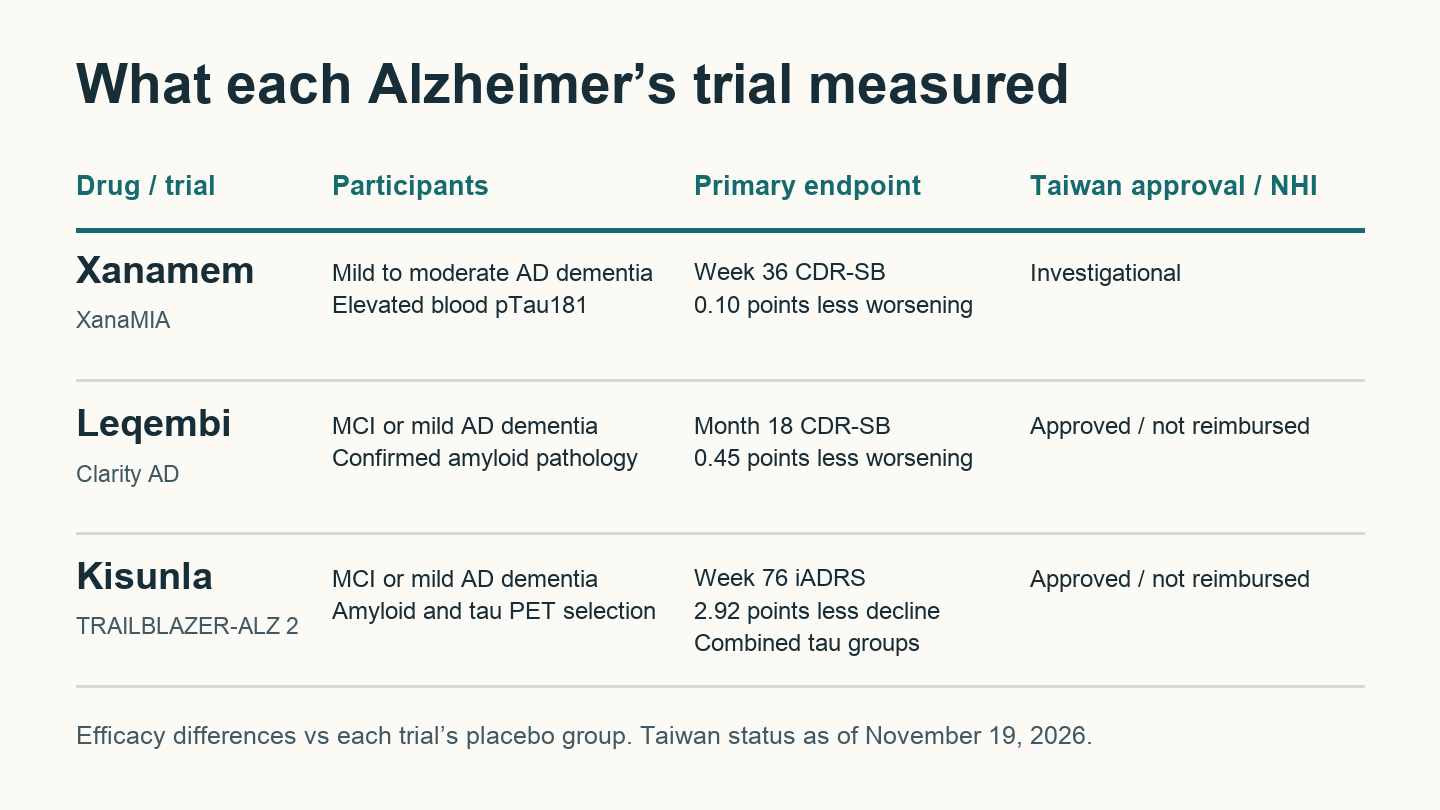
Figure 4. Each efficacy figure compares a treatment with its own trial’s placebo group. The last column shows Taiwan approval and coverage.
Both antibody trials used infusions. Both U.S. labels warn about amyloid-related imaging abnormalities, including brain swelling and microhemorrhages. The U.S. Leqembi label also includes a subcutaneous starting regimen.
The pause in Phase 3 spending leaves Leqembi and Kisunla facing one fewer near-term oral challenger advancing toward a confirmatory trial.
What the next update can tell us

Actinogen is continuing its extension, which has enrolled 168 participants. Mean CDR-SB held steady among the first 29 to reach 24 weeks on the drug. Participants knew they were receiving Xanamem, and there was no concurrent placebo group.
The company expects an update in the first quarter of 2027, when about 100 people will have received at least 24 weeks of treatment.
For families caring for someone whose disease has progressed to moderate dementia, saving a trip to an infusion clinic and preserving the ability to manage a familiar chore are different gains.
A randomized trial designed for older patients would change the assessment if it showed a clear, clinically meaningful difference on its prespecified CDR-SB endpoint.
References
- Actinogen share price and volume (ACW) | Australian Securities Exchange | 2026-11-19 | https://www.asx.com.au/markets/company/ACW
- XanaMIA trial registration (NCT06125951) | ClinicalTrials.gov | 2026-10-21 | https://clinicaltrials.gov/study/NCT06125951
- XanaMIA topline results and webinar slides | Actinogen Medical / ASX | 2026-11-19 | https://hermes-cdn.investorhub.com/announcement-pdfs/asx/7846944.pdf?v=63962256781
- Fundraising announcement and presentation | Actinogen Medical / ASX | 2026-02-02 | https://announcements.asx.com.au/asxpdf/20260202/pdf/06vvnp4sc04kxr.pdf
- Capital raising completion | Actinogen Medical / ASX | 2026-02-27 | https://announcements.asx.com.au/asxpdf/20260227/pdf/06wvr9v8vzjxgp.pdf
- September quarterly report and Appendix 4C | Actinogen Medical / ASX | 2026-10-19 | https://investors.actinogen.com.au/announcements/pQz1KX-acw-september-2026-quarterly-activity-report-appendix-4c
- Human PET study of enzyme occupancy | Villemagne et al., Journal of Alzheimer’s Disease | 2024-01-19 | https://pmc.ncbi.nlm.nih.gov/articles/PMC10836555/
- Clarity AD trial, Table 2 | van Dyck et al., NEJM | 2022-11-29 | https://www.nejm.org/doi/full/10.1056/NEJMoa2212948
- LEQEMBI prescribing information | U.S. FDA | 2026-07-13 | https://www.accessdata.fda.gov/drugsatfda_docs/label/2026/761375s001lbl.pdf
- TRAILBLAZER-ALZ 2 trial, Table 2 | Sims et al., JAMA | 2023-07-17 | https://pmc.ncbi.nlm.nih.gov/articles/PMC10352931/#T2
- KISUNLA prescribing information | U.S. FDA | 2025-07-01 | https://www.accessdata.fda.gov/drugsatfda_docs/label/2025/761248s004lbl.pdf
- Joint label reassessment for lecanemab and donanemab | Taiwan FDA | 2026-06-22 | https://www.fda.gov.tw/TC/newsContent.aspx?cid=3&id=31574
- Reimbursed medicines database | Taiwan National Health Insurance Administration | checked 2026-11-19 | https://info.nhi.gov.tw/INAE3000/INAE3000S01
- November 2026 reimbursed medicines data file | Taiwan National Health Insurance Administration | https://www.nhi.gov.tw/ch/cp-5622-8092a-2466-1.html
This article is for industry research and information only. It does not constitute medical, investment, fundraising, or individual stock advice.
Share this analysis
Send this article to readers who follow biotech, company strategy, and capital-market signals.
Cite this article
For decks, research notes, or media references, cite Drugnews with the canonical article URL.
Drugnews Editorial Team. "Actinogen Falls 82% on Alzheimer’s Pill Data." Drugnews, Nov 24, 2026. https://drugnews.com.tw/articles/2026-11-24-actinogen-xanamia-alzheimers-oral-drug-en.html