

Sanofi agreed on 24 November 2026 to buy Insmed for US$175 per share in cash, an equity value of about US$41.0 billion (€37.6 billion) and a premium of about 46% to Insmed's unaffected close on 18 November.
The number that matters most is US$400.1 million: what BRINSUPRI (brensocatib), the first approved drug for non-cystic fibrosis bronchiectasis (NCFB), sold in the third quarter alone, about a year after its August 2025 US launch.
For BD teams and investors, the deal sets a price for first-in-class respiratory franchises, and the Asian side of that franchise, Japan's market and China's competing DPP1 inhibitors, is where the next valuation questions sit.
What Sanofi is buying
Insmed has two marketed products and one late-stage platform.
BRINSUPRI is a once-daily oral reversible DPP1 inhibitor approved in the US, EU, UK and Japan for NCFB. ARIKAYCE (amikacin liposome inhalation suspension) is approved in the US, EU and Japan for refractory Mycobacterium avium complex (MAC) lung disease. TPIP (treprostinil palmitil inhalation powder) is in Phase 3 in PH-ILD, PAH and progressive pulmonary fibrosis, with an IPF Phase 3 planned for the first half of 2027.
| Item | Sanofi–Insmed |
|---|---|
| Structure | Acquisition of 100% of Insmed by merger, all cash |
| Price per share | US$175.00 |
| Equity value | ~US$41.0 billion (€37.6 billion) |
| Premium | ~46% to unaffected close on 18 Nov 2026 |
| Milestones / CVR | None disclosed |
| Paid now | Nothing; cash is paid at closing |
| Expected closing | First half of 2027 |
| Conditions | Two-thirds Insmed shareholder vote, US HSR clearance, certain non-US approvals |
| Break fee | US$1.125 billion payable by Insmed in specified cases |
| Sanofi guidance | Accretive to business EPS by end of 2028; no change to 2026 guidance |
| Product revenue (US$ m) | Q3 2026 | 9M 2026 | 2026 guidance |
|---|---|---|---|
| BRINSUPRI, US | 398.1 | 913.8 | |
| BRINSUPRI, international | 2.0 | 3.3 | |
| BRINSUPRI, total | 400.1 | 917.1 | 1,350–1,400 |
| ARIKAYCE, US | 75.5 | 208.6 | |
| ARIKAYCE, international | 48.9 | 130.2 | |
| ARIKAYCE, total | 124.4 | 338.8 | 460–470 |
At the guidance midpoints, the two products should sell about US$1.84 billion in 2026, so Sanofi is paying roughly 22 times this year's product revenue. That multiple is a bet on BRINSUPRI's slope, not on the current base.
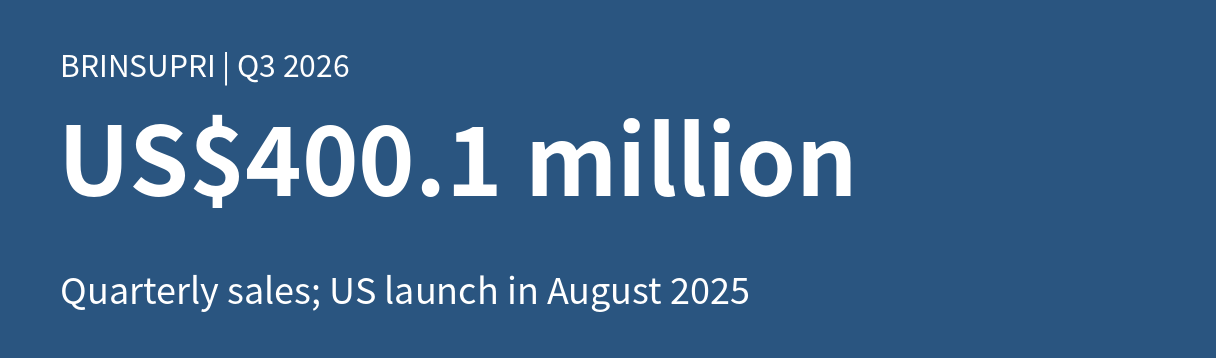
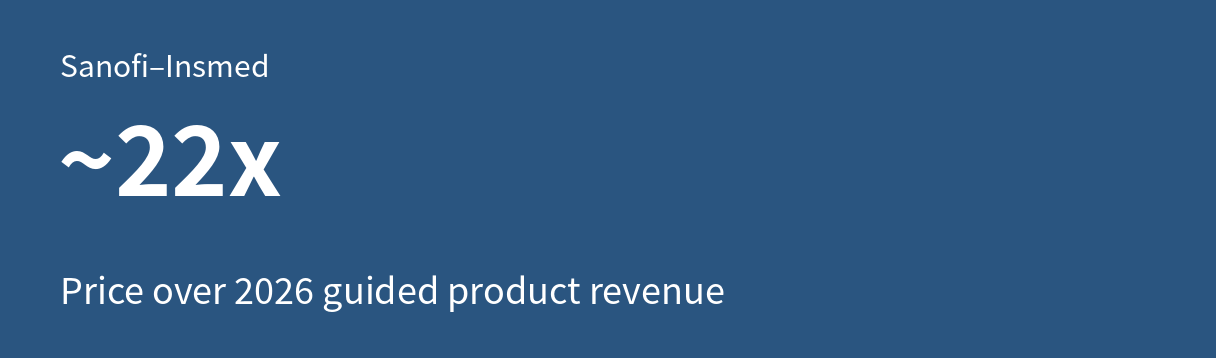
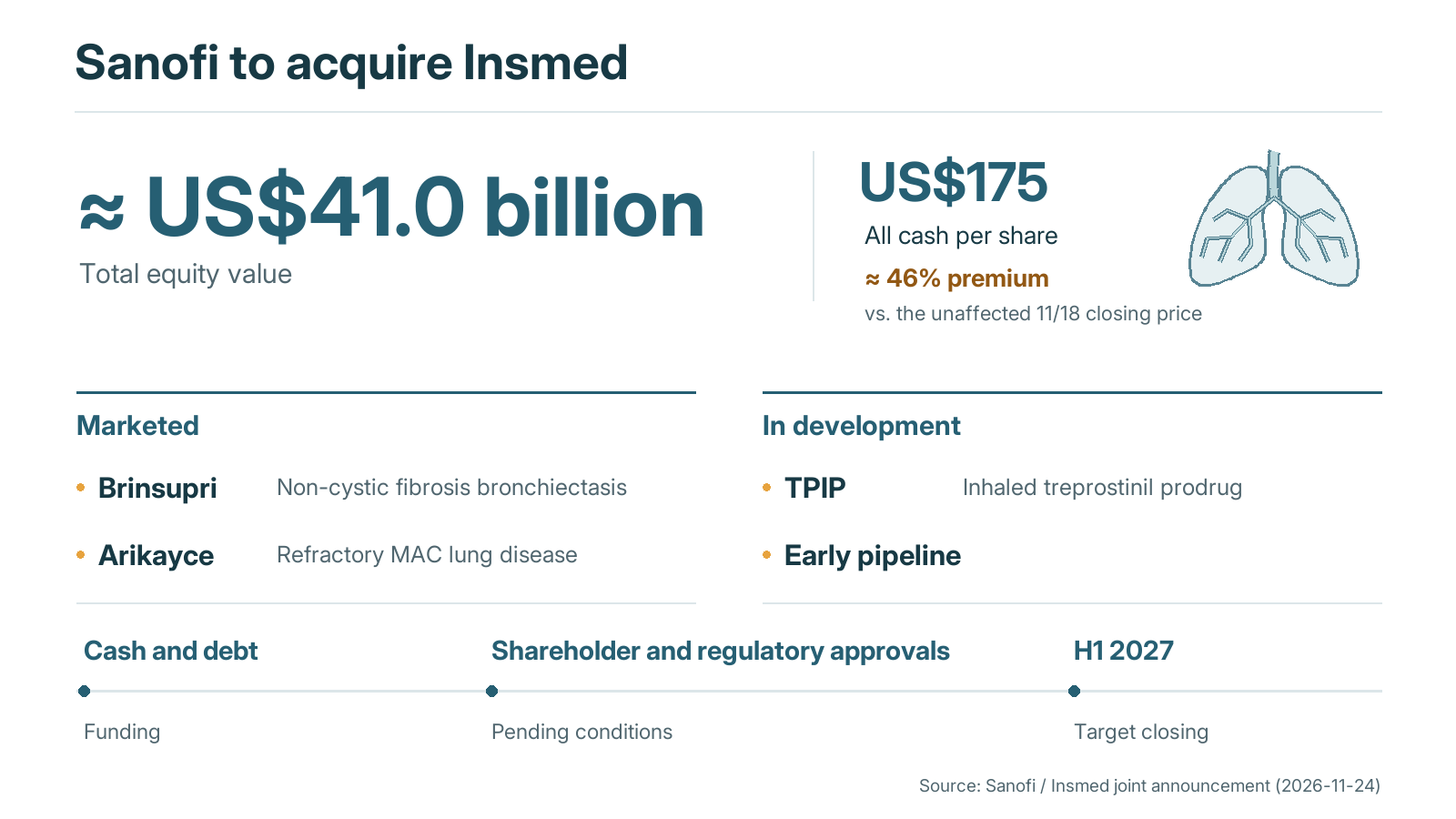
Figure 1 | Deal structure and timeline: all-cash acquisition, closing expected in the first half of 2027.
What the drug actually does
In bronchiectasis, neutrophils flood the airways to fight infection and release serine proteases such as neutrophil elastase. Those enzymes cannot tell bacteria from airway tissue, so the airway wall is damaged further and exacerbations follow.
BRINSUPRI does not block the enzymes themselves. It inhibits DPP1, the enzyme that switches them on while neutrophils mature in the bone marrow. The cells still form and still travel to the lung; they arrive with their proteases less active.
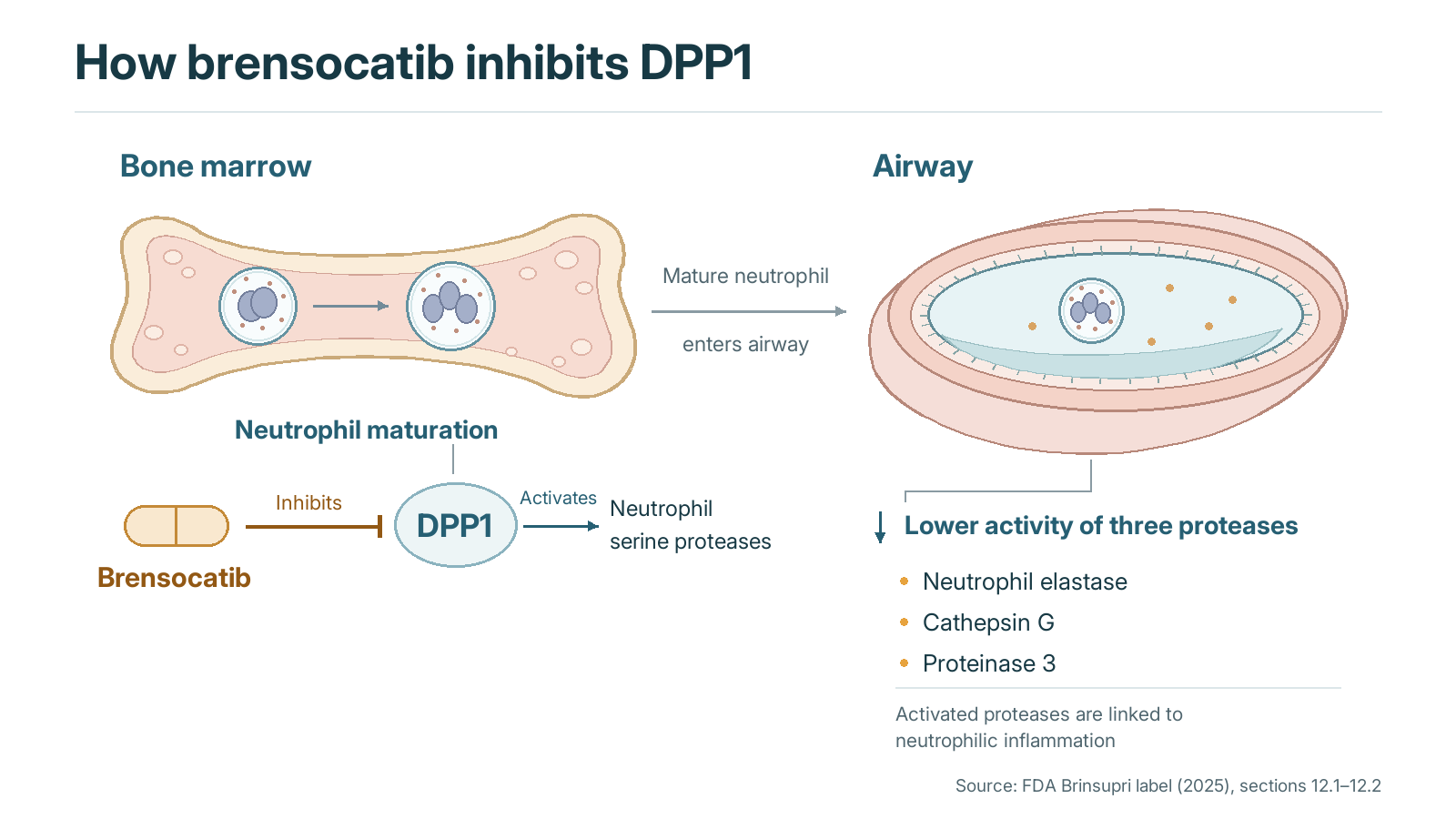
Figure 2 | DPP1 activates three neutrophil serine proteases during maturation; brensocatib lowers their activity in the airway.
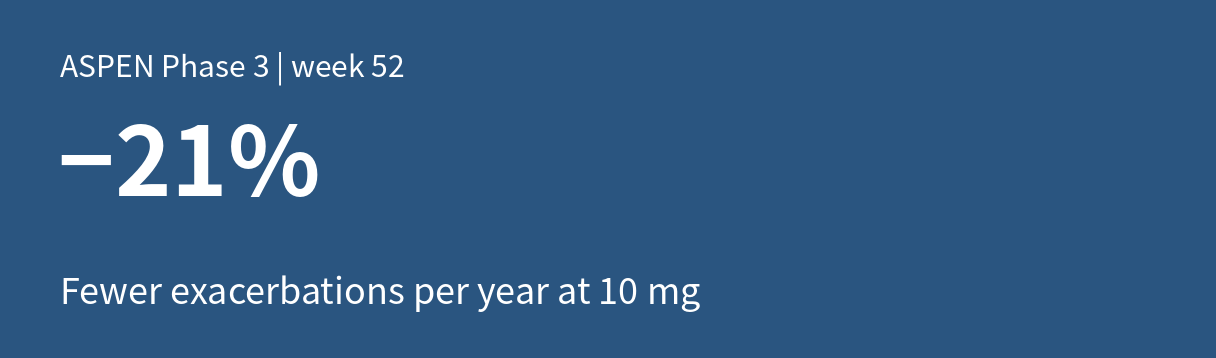
In the ASPEN Phase 3, about 1,700 patients took the drug or placebo for 52 weeks. Annual exacerbations fell from 1.29 on placebo to 1.02 at 10 mg and 1.04 at 25 mg, reductions of about 21% and 19%. Lung function declined by 62 mL on placebo and 24 mL at 25 mg.
The main side effects were thickened skin and gum disease. Hyperkeratosis occurred in 3.0% of the 25 mg arm against 0.7% on placebo. That profile was predictable: people born with loss-of-function mutations in the DPP1 gene have Papillon-Lefèvre syndrome, whose hallmarks are palmoplantar keratosis and early, severe periodontitis. Most of them do not have a severe systemic immune deficiency, which makes long-term DPP1 inhibition easier to forecast than most new mechanisms.
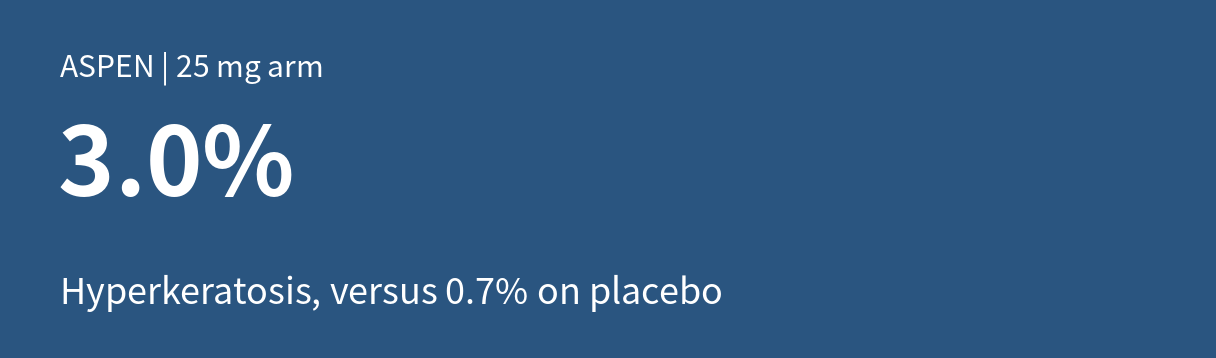
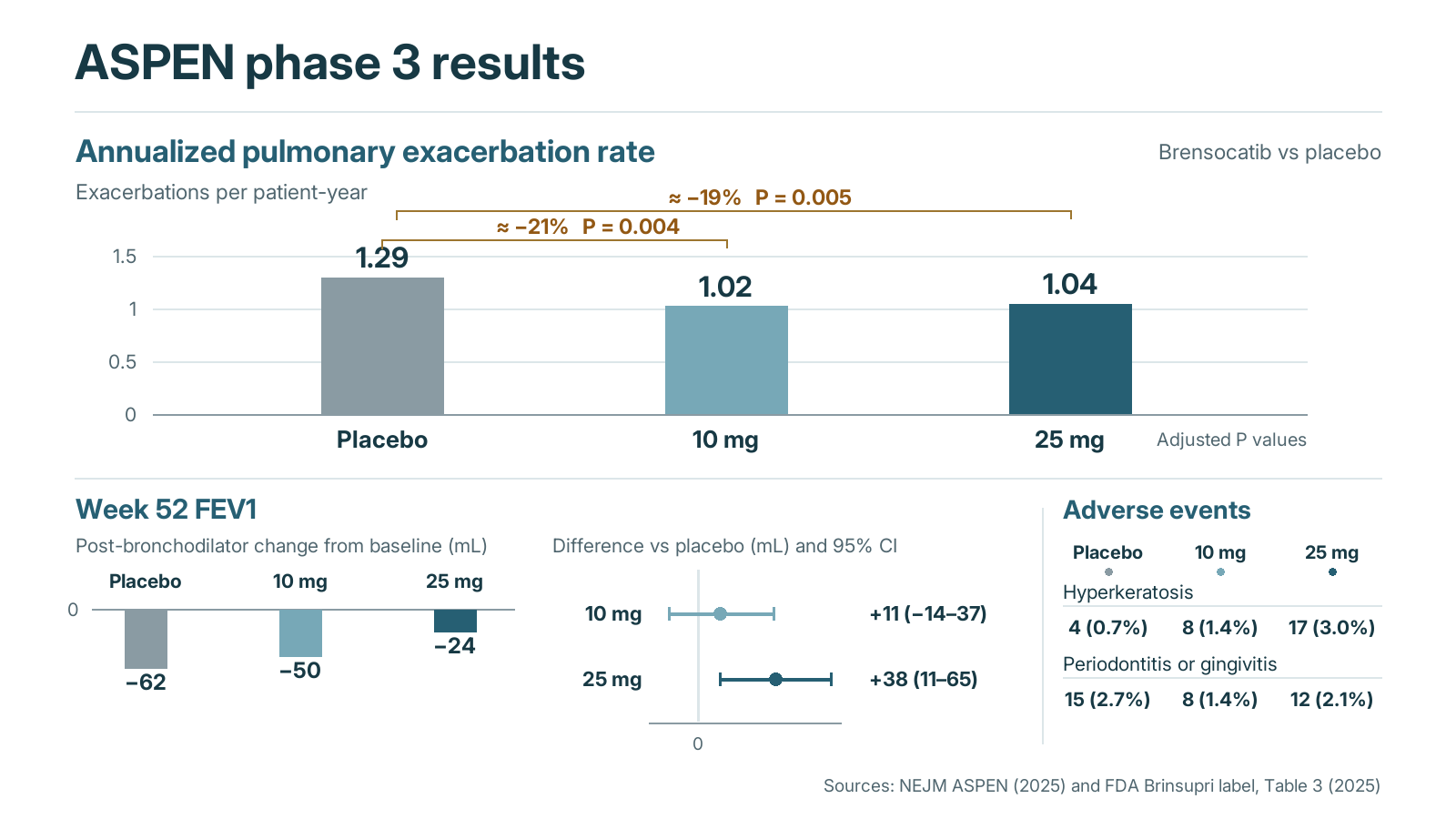
Figure 3 | ASPEN results across three arms: annual exacerbation rate, week-52 FEV1 change, hyperkeratosis and periodontal events.
Why Japan is the Asian half of this deal
Insmed does not split out Japan revenue, but the shape is visible. ARIKAYCE's US sales grew 2% year on year in the third quarter; international sales grew 21%, and international now accounts for 38% of the product's nine-month revenue. Japan is one of only three regions where ARIKAYCE is approved, alongside the US and EU, and is where Insmed runs its only Asian operation.
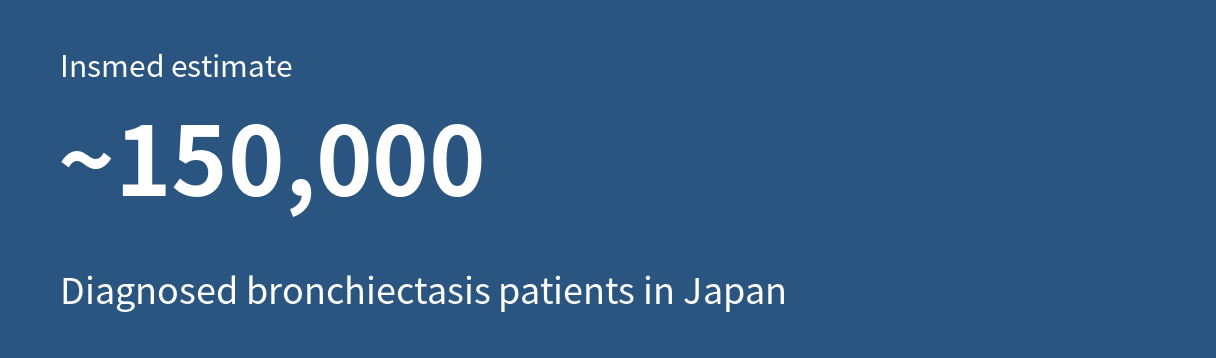
BRINSUPRI followed the same route. Japan's MHLW approved BRINSUPRI Tablets 25 mg in August 2026 for NCFB in adults and patients aged 12 and older, and Insmed launched in October as the first approved NCFB treatment in the country. Insmed estimates about 150,000 diagnosed NCFB patients in Japan, against about 500,000 in the US and 600,000 across France, Germany, Italy, Spain and the UK.
International BRINSUPRI revenue was only US$2.0 million in the third quarter, so the Japanese launch is almost entirely ahead of Sanofi.
Two more Japanese catalysts sit inside the purchase price. Insmed plans to submit the Phase 3 ENCORE data to the PMDA in the fourth quarter of 2026 to widen ARIKAYCE's Japanese label from refractory patients to all MAC lung disease. In the US, the FDA has set a 28 January 2027 PDUFA date for the same broader use. A label that moves ARIKAYCE from salvage therapy to earlier lines would change the size of the Japanese business, not just its growth rate.
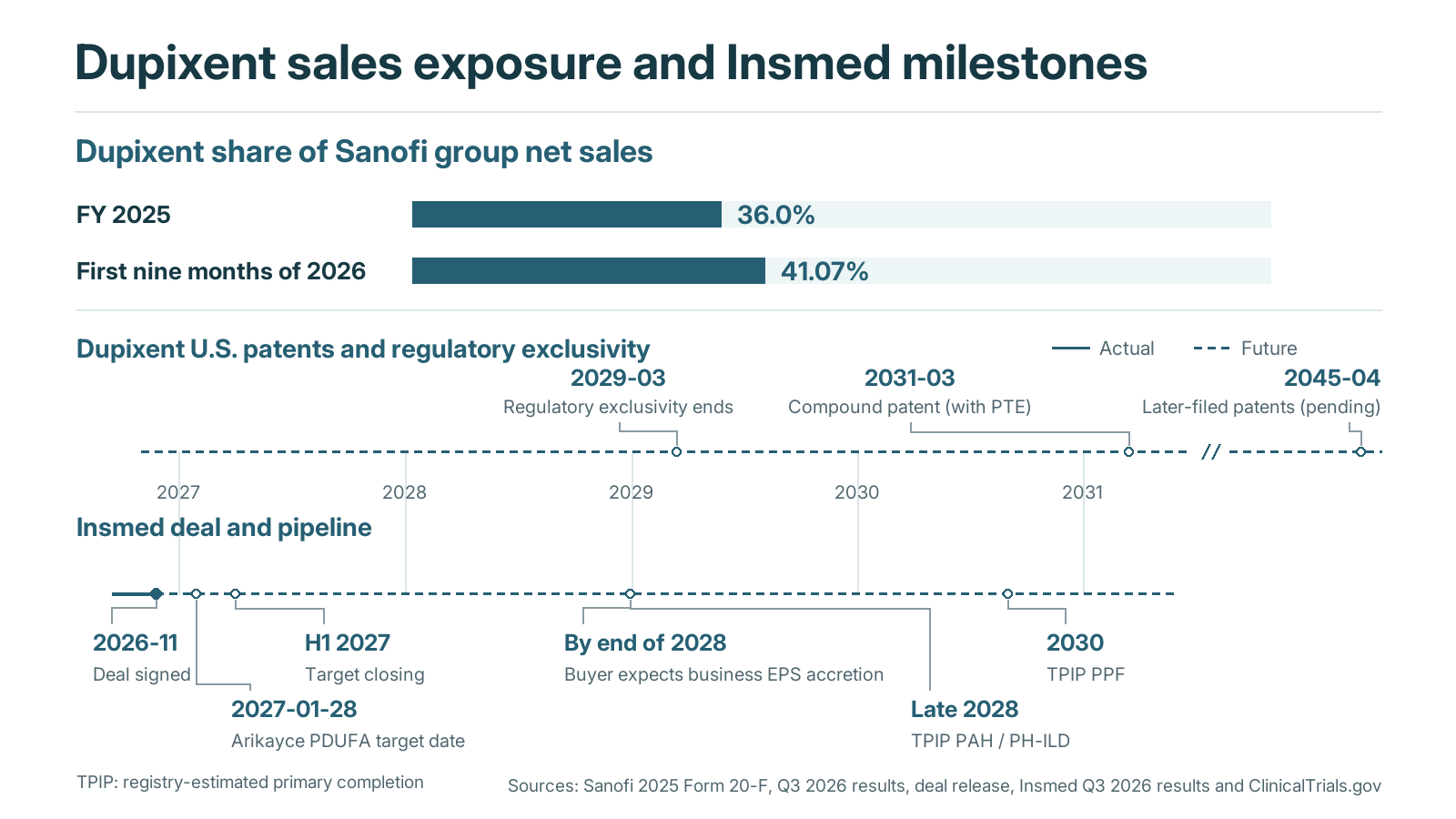
Figure 4 | Dupixent accounted for 41% of Sanofi's sales in the first nine months of 2026; its US compound patent runs to March 2031.
For Sanofi, the Japanese assets come with a launched product, a pending label expansion and an existing local team. That is cheaper than building a Japanese NCFB launch from scratch, and it is the part of the deal most Western coverage will skip.
The comparison: Merck and Verona
The closest Western yardstick is Merck's purchase of Verona Pharma for US$107 per ADS, a transaction value of about US$10 billion, completed on 7 October 2025. Both deals bought a first-in-class respiratory drug about a year into its US launch: Ohtuvayre (ensifentrine) for COPD was approved in June 2024 and Verona was acquired in 2025; BRINSUPRI was launched in August 2025 and Insmed is being acquired 15 months later.
Measured the same way, as equity value paid per first-in-class respiratory franchise in its second year, Sanofi is paying about four times what Merck paid. Three things do not compare directly. Insmed brings a second marketed drug and a Phase 3 platform, where Verona was a one-product company. BRINSUPRI owns a disease with no other approved drug, while Ohtuvayre entered a crowded COPD maintenance market. And Insmed already sells in Japan through its own entity, while Verona's value was almost entirely US.
The Asian competitor clock
BRINSUPRI's exclusivity in NCFB is a patent-and-label question, but its first-mover position is a clinical one, and China is where the next DPP1 data will come from. Haisco Pharmaceutical Group's HSK31858, a DPP1 inhibitor, is in a China-only Phase 3 in NCFB (NCT06660992; estimated 669 patients; primary endpoint: frequency of pulmonary exacerbations). The registry lists an estimated primary completion date of 28 November 2026, three days from now.
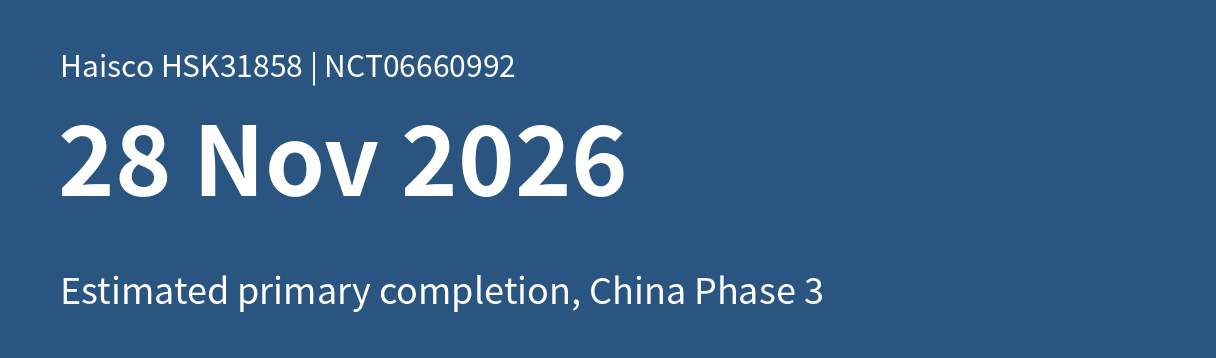
A separate long-term safety Phase 3 (NCT07616375) runs to 2029.
If HSK31858 matches brensocatib on exacerbation rates, two things follow. China gets a domestic DPP1 option, and BRINSUPRI has no approval there today, and ex-China rights to HSK31858 become an obvious licensing target for any large company that wants a DPP1 in bronchiectasis or other neutrophil-driven diseases without paying Insmed-level prices. Sanofi's price makes that a cheaper option to buy than it was a week ago.
What evidence is still missing
- Japanese uptake: no Japan-specific BRINSUPRI sales or reimbursement-price disclosure yet, and the first full quarter of sales will not be reported until early 2027.
- ARIKAYCE's broader label: the ENCORE filing in Japan and the US decision on 28 January 2027 will decide whether the MAC franchise grows beyond refractory patients.
- HSK31858 data: the Phase 3 has not reported results, and the effect size, dose and safety profile against brensocatib's ASPEN results are unknown.
- Deal terms: the full merger proxy, including the other bidders and the financial advisers' valuation ranges, has not been filed.
- TPIP: all four Phase 3 programs are still enrolling, so none of TPIP's value is backed by pivotal data.
Our call
Haisco will announce before 30 June 2027 that the HSK31858 Phase 3 in bronchiectasis met its primary endpoint, and ex-China rights to the drug will be licensed to a non-Chinese pharma company by 31 December 2027.
What to watch
- HSK31858 topline results from NCT06660992.
- FDA action on the ARIKAYCE sNDA by 28 January 2027.
- Insmed's merger proxy and the shareholder vote date.
- First Japan BRINSUPRI revenue disclosure after the October 2026 launch.
References
- Sanofi: Sanofi to acquire Insmed in strategic step that strengthens long-term future (24 Nov 2026)
- Insmed Form 8-K, Agreement and Plan of Merger with Sanofi (23 Nov 2026)
- Insmed third-quarter 2026 results, SEC Form 8-K Exhibit 99.1
- ClinicalTrials.gov NCT06660992: Phase 3 of HSK31858 in non-cystic fibrosis bronchiectasis
- Merck: Merck Completes Acquisition of Verona Pharma (7 Oct 2025)
- NEJM: Phase 3 Trial of Brensocatib in Bronchiectasis (ASPEN) (23 Apr 2025)
- FDA: BRINSUPRI prescribing information (12 Aug 2025)
- Nature Genetics: Loss-of-function mutations in the cathepsin C gene result in periodontal disease and palmoplantar keratosis (1 Dec 1999)
- Sanofi Form 20-F 2025 (17 Feb 2026)
This article is industry and company analysis, not investment or medical advice.
Share this analysis
Send this article to readers who follow biotech, company strategy, and capital-market signals.
Cite this article
For decks, research notes, or media references, cite Drugnews with the canonical article URL.
Drugnews Editorial Team. "Sanofi's $41bn Insmed deal: Japan is the second market, and an Asian DPP1 rival reads out next." Drugnews, Nov 25, 2026. https://drugnews.com.tw/articles/2026-11-25-sanofi-insmed-brinsupri-dpp1-en.html